
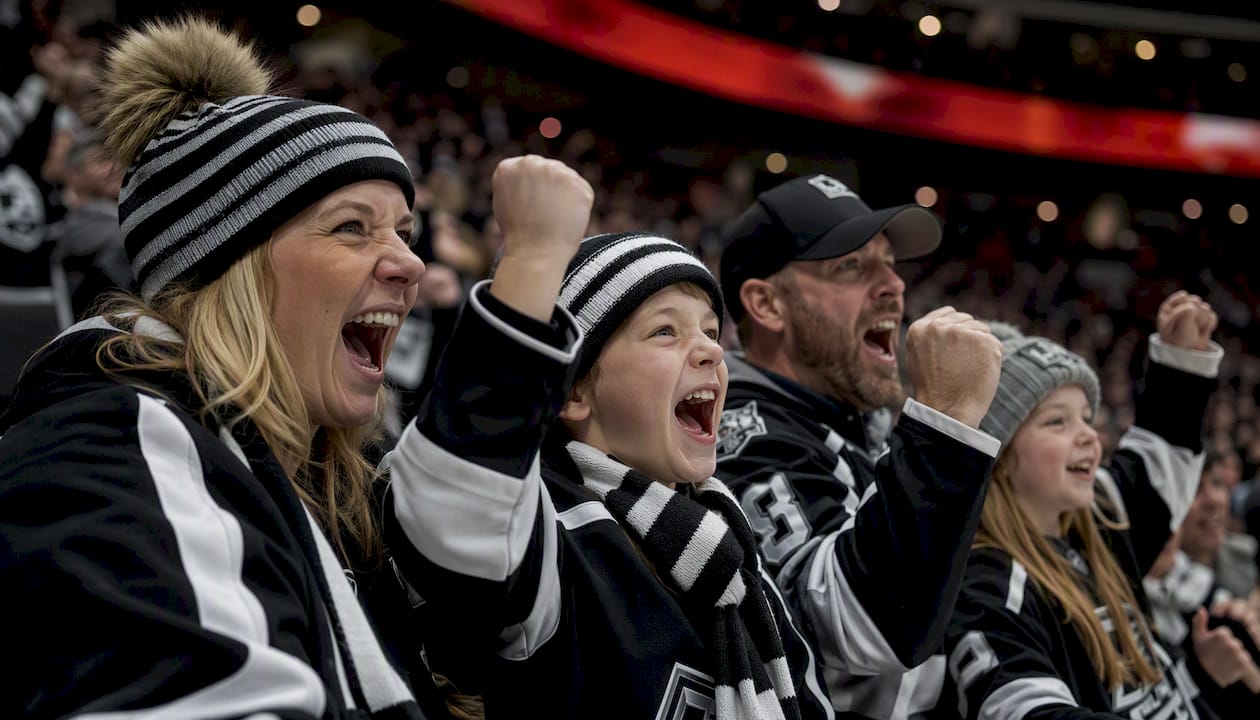
Families wear matching hockey apparel to games because it publicly signals group belonging, strengthens team-based identity, and turns a crowded arena into a place where your crew is instantly visible. Fan-identification researcher Dan Wann has spent decades documenting how people incorporate sports teams into their self-concept, and Social Identity Theory (developed by Henri Tajfel and Jonathan Turner) explains the mechanism: when you wear the same colors and logo as the people around you, you shift from spectator to member. A color-selection study found that roughly 15% of participants chose a team to support based on uniform color alone, with color accounting for about 21.8% of all reasons given. For coaches and parents, that psychological pull translates directly into better game-day photos, easier crowd navigation, stronger fundraising, and a family cohesion that outlasts the final buzzer. Rnkapparel makes the custom hoodies, tees, and accessories that turn this idea into a wearable reality for teams across the U.S. and Canada.
Key Takeaways
Matching hockey apparel works because it activates Social Identity Theory in a visible, public way, turning a family section into a cohesive unit that benefits players, parents, and team culture simultaneously.
| Point | Details |
|---|---|
| Belonging drives the behavior | Social Identity Theory explains why matching apparel strengthens group identity and enjoyment at games. |
| Color selection matters | Roughly 15% of fans chose a team based on uniform color, so palette decisions carry real weight. |
| Team performance links | Stronger pre-tournament identification predicts higher TMS levels and better teamwork during competition. |
| Practical family benefits | Matching apparel improves crowd visibility, team photos, fundraising revenue, and long-term keepsake value. |
| Rnkapparel for custom orders | Rnkapparel offers personalized hockey hoodies, tees, and accessories with bulk ordering support for U.S. and Canadian teams. |
Table of Contents
- Why matching apparel at games works: the psychology behind it
- How matching looks in the stands: color, design, and nostalgia
- How fan apparel influences team dynamics and performance
- Practical benefits families get from matching hockey apparel
- How to choose garments and design options for family orders
- How coaches and managers can roll out a team apparel program
- The part most programs get wrong
- Rnkapparel makes custom hockey family apparel easy to order
- Sources
Why matching apparel at games works: the psychology behind it
Matching apparel satisfies one of the most basic human drives: the need to belong. Social Identity Theory holds that people define part of their self-concept through group membership, and visible, shared clothing is one of the fastest ways to activate that membership in public. When a hockey family pulls on the same hoodie before walking into the rink, they are not just coordinating outfits. They are making a statement about who they are.
Fan identification research adds another layer. Highly identified fans report lower loneliness and reduced stress at games, partly because wearing team-branded apparel functions as a public signal of committed support. The psychological phenomenon known as BIRG (basking in reflected glory) means fans feel genuine pride when their team succeeds, and that feeling is amplified when the fan is visibly, unmistakably part of the group. Matching apparel makes BIRG tangible.
Sport-consumption research also shows that apparel use balances two competing desires: signaling group affiliation and preserving individuality. That is why name and number personalization matters so much. A family wearing the same team hoodie but with each member’s name on the back gets both.
Practical effects for coaches and parents:
- Attendance enjoyment rises when fans feel connected to the group around them.
- Family cohesion strengthens when a shared ritual (getting dressed in team colors) precedes the game.
- Recruitment benefits when a well-dressed, unified fan section signals organizational seriousness to prospective players and their families.
How matching looks in the stands: color, design, and nostalgia
Color does real work in a crowded arena. A consistent palette makes a family legible as a unit in photos and easy to spot from across the ice. Design elements like logo placement, player names, and numbers act as public signals to other fans and to players on the bench who can see their support section.
The cultural pull of jerseys and team apparel runs deeper than aesthetics. Hockey jerseys became standard fan wear through decades of merchandising, celebrity adoption, and nostalgia. Reverse Retro releases and throwback designs tap into that history, turning a piece of clothing into an emotional good that connects the wearer to a team’s legacy. Families who match in retro-style hoodies or logo tees are participating in that tradition, not just buying a shirt.
Common family combinations that work well in the stands:
- Hoodies + tees for layering in cold rinks, with adults in hoodies and kids in matching tees underneath.
- Matching hats or beanies as a lower-cost entry point that still reads as a unified look.
- Youth-sized variants of adult styles so younger kids are part of the visual without an awkward fit.
A practical visual rule: limit your palette to two or three primary colors and use high contrast between the logo and the background fabric. That combination photographs cleanly under arena lighting and reads clearly from a distance. For inspiration on how matching activewear sets handle color coordination across sizes, the principles translate directly to hockey fan apparel.
How fan apparel influences team dynamics and performance
Visible, coordinated fan support contributes to team cohesion in ways that go beyond morale. A study linking pre-tournament team identification to Transactive Memory Systems (TMS) found that stronger identification before a tournament predicted higher TMS levels, which in turn predicted better teamwork behaviors during competition. TMS is the shared understanding of who knows what and who does what on a team. When players see a unified fan section before a game, it reinforces their own sense of team identity, which feeds directly into that system.
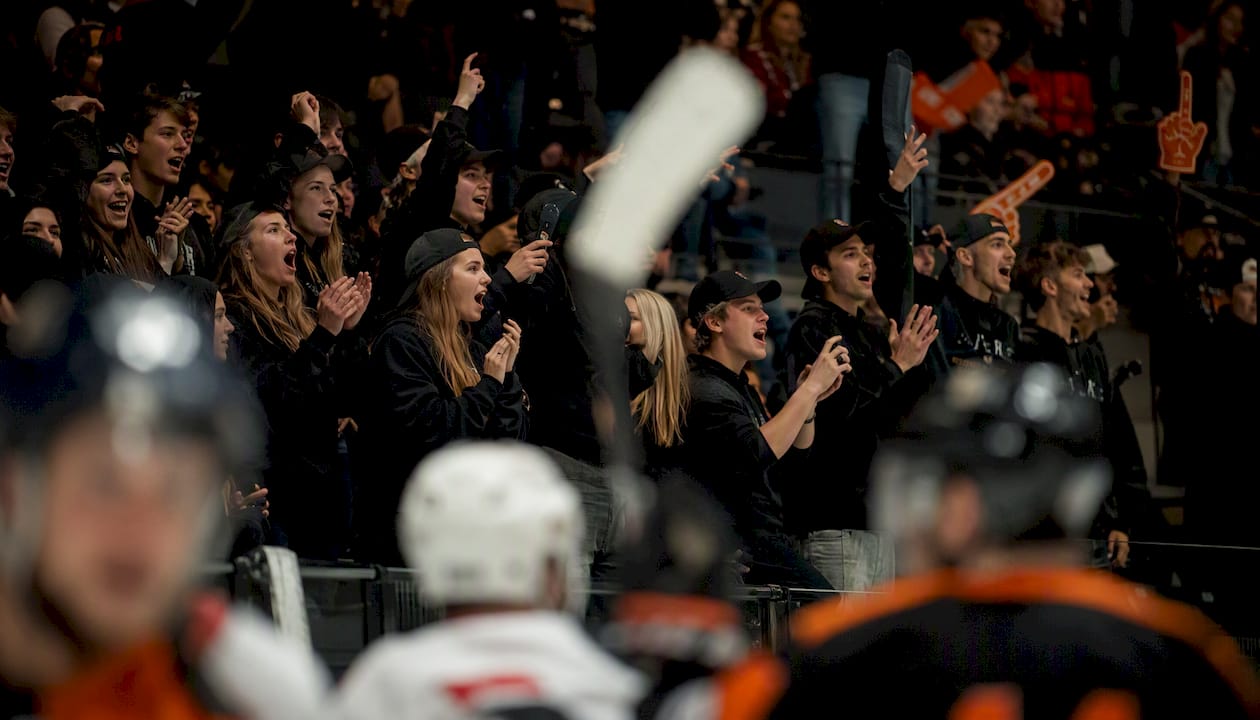
Practitioners observe that switching from individual practice gear to matching apparel triggers a visible shift toward collective identity, clearer communication, and more cooperative behavior. The effect works for fans too: a coordinated family section signals to players that the group behind them is organized and committed.
Coach takeaways:
- Use the apparel rollout as a pre-tournament ritual, not just a logistics task.
- Brief players on the fan section’s presence before warm-ups to reinforce the identity signal.
- Coordinate youth team matching apparel orders with the game schedule so families arrive dressed on opening day.
Practical benefits families get from matching hockey apparel
Matched apparel offers concrete advantages that parents and managers notice immediately: easier group tracking, better photos, stronger fundraising, and durable keepsakes.
- Crowd visibility: Matching colors make it easy to spot kids in a packed arena lobby or parking lot.
- Team photos: A consistent look eliminates the chaotic patchwork of random outfits and produces photos families actually frame.
- Fundraising revenue: Merchandising spikes follow team branding moments; a well-designed family apparel line can generate meaningful revenue for team budgets.
- Layering options: Hoodies over long-sleeve tees handle the temperature swings between a cold rink and a warm lobby.
- Giftability: Personalized pieces with a player’s name and number become keepsakes that families hold onto for years.
Personalization increases individual ownership. Practitioners note that adding a name or number to a garment raises the wearer’s investment in team success compared with unpersonalized gear.
Pro Tip: Offer a simple starter set — a tee plus a hat — at a lower price point to get hesitant families into the program without a large upfront commitment. Once they wear it to one game, repeat orders follow naturally.
How to choose garments and design options for family orders
Prioritize comfort, visibility, and simple, scalable designs. A family order that tries to do too much (five colors, three logo placements, four garment types) usually stalls before it ships.
Step-by-step design considerations:
- Define scope. Decide who gets what: players, parents, siblings, coaches. Each group may need a different garment type.
- Set a budget and confirm minimums. Know your per-unit target before picking styles.
- Pick two or three core colors. Consistency across garment types is what makes the group look unified.
- Choose printable areas. Front chest logo plus a name/number on the back is the standard that reads well in photos and in the stands.
- Select materials for the environment. Poly blends wick moisture for players; mid-weight hoodies handle cold rinks for parents. Long-sleeve tees work as a versatile middle layer.
Sizing checklist:
- Offer both youth and adult fits from the start.
- Share a measurement guide with families before the order closes.
- Build in a short exchange window for size corrections.
- Allow two to three weeks of lead time minimum; four to six weeks before a tournament is safer.
Pro Tip: Offer name/number personalization as an optional add-on at checkout rather than a requirement. Families who want it can opt in without holding up the bulk order timeline for everyone else.
Research on sport-consumption apparel signaling supports this approach: in high-visibility contexts, standardized colors plus a small personalization zone balances the group signal with individual expression.
How coaches and managers can roll out a team apparel program
A three-phase process (plan, collect, deliver) keeps the rollout from becoming a months-long headache.
- Set goals and budget. Decide whether this is a fundraiser, a team expense, or a family purchase, and set a per-unit price accordingly.
- Pick styles and a supplier. Rnkapparel handles custom hockey hoodies, tees, joggers, and accessories with name/number personalization and bulk ordering support.
- Share sizing templates and a hard deadline. Send a one-page size guide with a two-week collection window.
- Collect payments and artwork approvals. Use a simple online form or a team app to gather both at once.
- Place the order with clear delivery windows. Confirm the ship date in writing so families know when to expect their gear.
- Distribute and collect feedback. A quick post-delivery survey catches sizing issues early and builds goodwill for the next order.
Communication notes:
- A short email or SMS with the deadline and a direct link to the size guide gets the highest response rate.
- Frame fundraising orders around the team benefit: “Every hoodie sold puts $X toward tournament fees.”
- Include a one-line parent consent note if personalizing youth garments with player names.
Pro Tip: Bring sample garments to a practice night before the order closes. Families who can feel the fabric and try a size almost always commit on the spot.
The part most programs get wrong
Most coaches treat the apparel order as a logistics problem. It is actually a culture moment. The families who show up in matching gear are not just easier to photograph. They are publicly declaring that this team matters to them, and players notice that. The research on TMS and pre-tournament identity is not abstract: players who see an organized, visually unified fan section before a game carry a stronger sense of shared purpose onto the ice.
The mistake is waiting until the season is already underway. Order early, distribute before the first home game, and frame it as a team ritual rather than a merchandise transaction. That framing changes how families receive it and how often they actually wear it.
For a reliable supply of custom hockey fan apparel, Rnkapparel’s ordering process and product range make it a practical starting point for any team-wide rollout.
Rnkapparel makes custom hockey family apparel easy to order
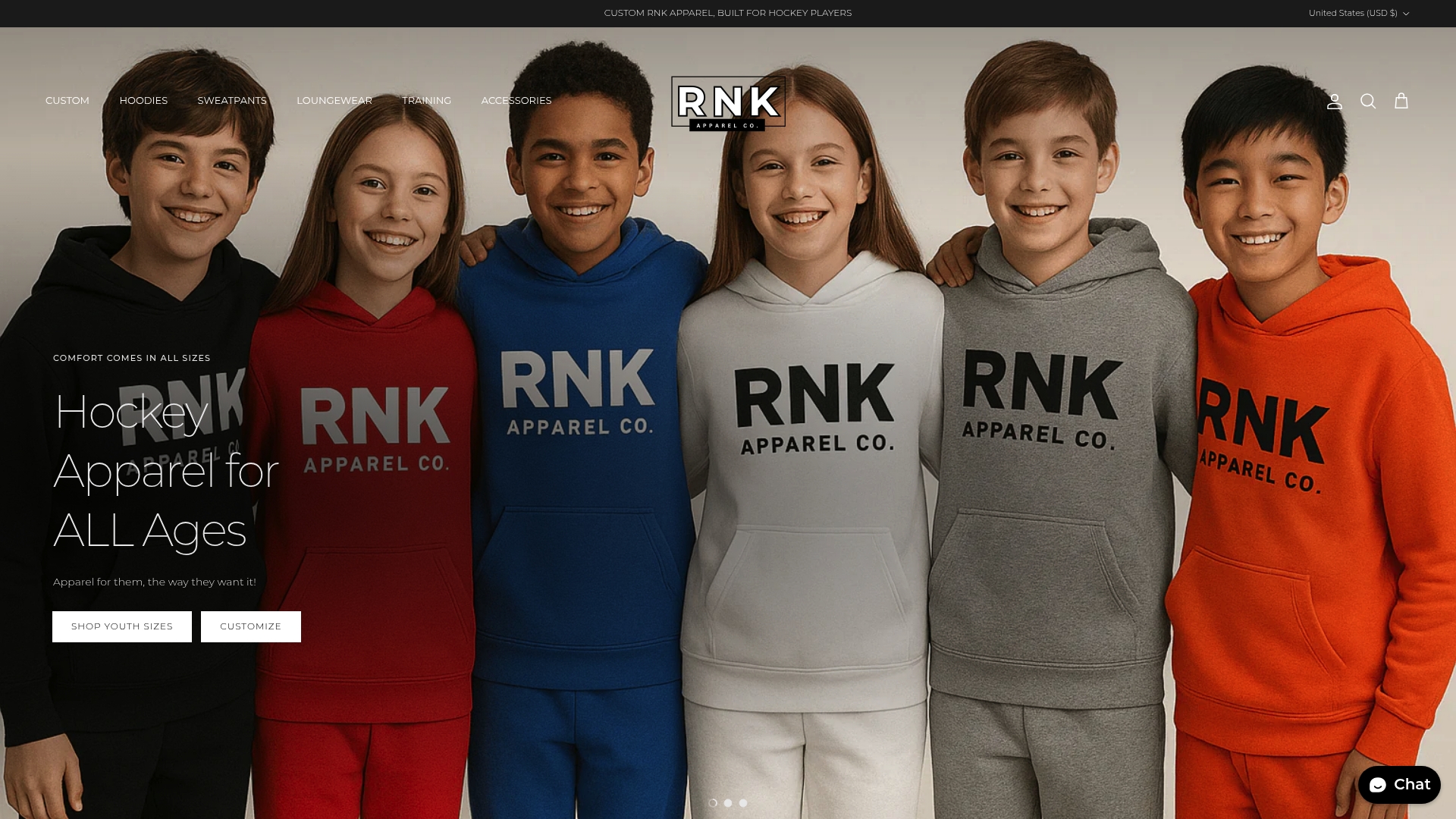
Rnkapparel offers custom hockey hoodies, tees, joggers, hats, and accessories with name and number personalization, team logo uploads, and bulk ordering support built for coaches and team managers. The most popular family starter kit is a custom hockey tee paired with a matching hat or beanie, both available in youth and adult fits so the whole section looks unified without a complicated order. Mid-weight hoodies handle cold rinks; poly-blend tees work for warmer venues and layering. Every order supports artwork approvals and sizing guidance before production begins. Head to Rnkapparel to browse styles, upload your logo, and get a quote for your next team or family order.
Sources
- We are what we wear: How sports jerseys became ubiquitous in the U.S.
- The Likelihood of Sport Fans Selecting a Team to Follow Based on Uniform Color
- Psychology: Why matching jerseys matter more than you think
- How hockey jerseys became standard wear for fans
- Clothes make the fan: The effect of team merchandise usage on team identification, fan satisfaction and team loyalty
Recommended
- The Ultimate Guide to Hockey Parent Apparel: Style, Comfort, and Rink – RNK Apparel Co.
- Matching Hockey Family Apparel: The 2026 Trend Guide for Rink-Side Sty – RNK Apparel Co.
- Why Family Members Gift Hockey Apparel: 2026 Gift Guide – RNK Apparel Co.
- Fan Apparel and Identity Expression in Hockey Culture – RNK Apparel Co.
