

Fan apparel is defined as clothing and accessories that signal loyalty, community membership, and personal values within a sports culture. The role of apparel fan identity expression goes far beyond wearing a team’s colors on game day. According to the AEG “The Live Effect” 2026 report, 41% of fans actively use apparel to identify with fan communities, and 12% even mark their bodies permanently with related tattoos. That level of commitment tells you something important: for hockey fans, players, and parents, what you wear is a statement about who you are and where you belong.
What is the role of apparel fan identity expression in hockey?
Clothing as identity expression is the recognized academic term for this behavior. Researchers call it “symbolic consumption,” the practice of using purchased goods to communicate social meaning rather than just meet a physical need. In hockey culture, a hoodie with your team’s logo is not just warmth. It is a public declaration of affiliation, a signal to other fans, and a personal reminder of why the game matters to you.
The five core identity construction practices identified in a march 2026 study of 190 participants give this a concrete framework. Fans use ideational bricolage, accessorizing, customization, hybrid styling, and assembling to build and manage their identities through clothing. Each practice serves a different purpose, and hockey fans use all five, often without realizing it.
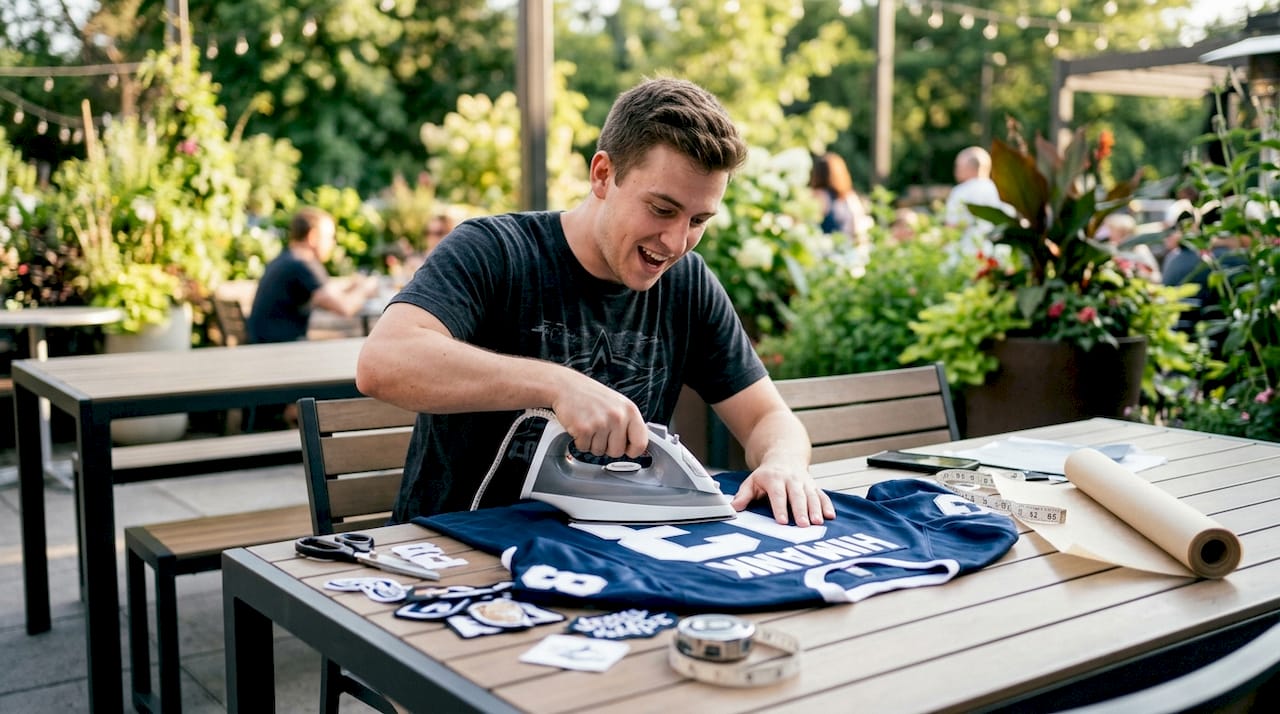
Understanding these practices helps parents make sense of why their child insists on a specific jersey. It helps players recognize that their gear choices communicate something to teammates before they ever step on the ice. It helps fans see that their wardrobe is doing social work every time they wear it.
How do customization and styling help fans build identity?
Customization is the most direct form of identity expression through fashion. Adding a name, a number, or a legacy design to a piece of apparel turns generic merchandise into a personal artifact. A personalized fan shirt signals not just team loyalty but individual history within that community.
The five practices from the 2026 identity construction study break down like this in a hockey context:
- Ideational bricolage: Mixing apparel from different eras or teams to create a layered personal narrative. A fan might wear a vintage team tee under a current season hoodie.
- Accessorizing: Adding hats, scarves, or pins to a base outfit to intensify or soften the team signal depending on the setting.
- Customization: Adding names, numbers, or unique graphics to stock items. This is the most direct form of personal ownership.
- Hybrid styling: Blending team apparel with everyday fashion. A hockey hoodie paired with dress pants for a work event is hybrid styling in action.
- Assembling: Deliberately selecting a full outfit to project a specific identity for a specific occasion, like a playoff game versus a casual watch party.
Pro Tip: Subtle customization, such as a small logo placement or a single personalized detail, tends to read as confident and intentional in mixed social settings. Heavy branding works at the rink but can feel out of place at a school pickup. Match the intensity of your expression to the room.
The impact of fan apparel on social dynamics is real and measurable. Fans who customize their gear report stronger feelings of belonging and are more likely to initiate conversations with other fans. That social function is not accidental. It is built into the design of the practice.
How does hockey apparel build community and social bonds?
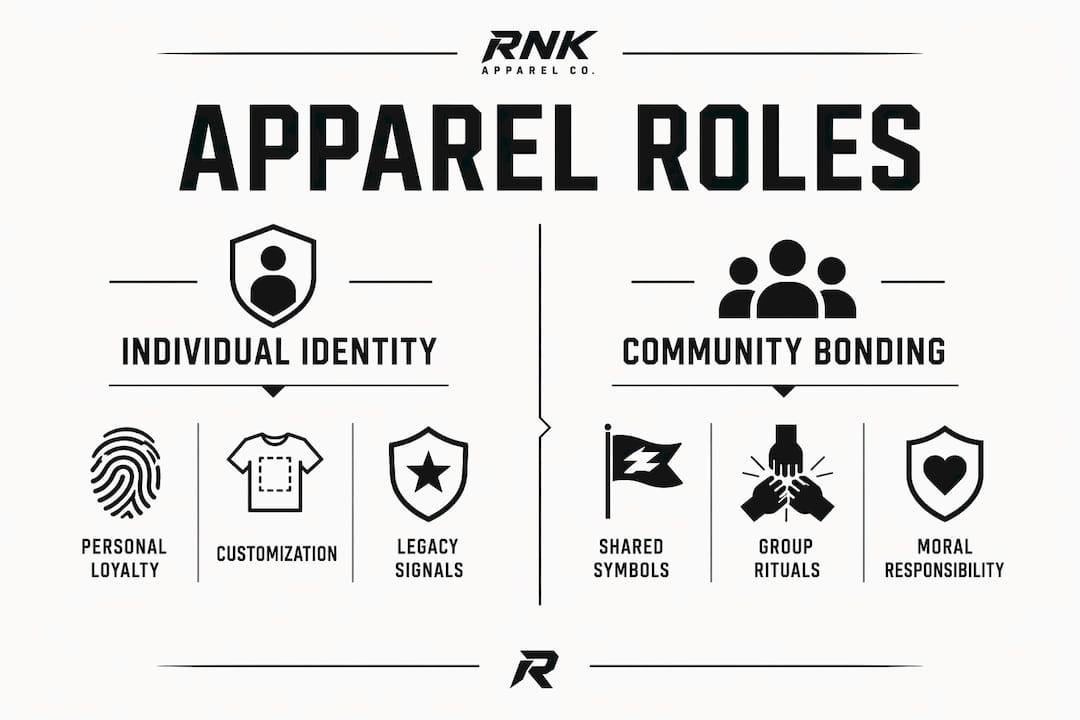
Apparel functions as a brand community artifact. That phrase comes from research on symbolic consumption in fandom, which found that uniforms and fan gear create recognition, rituals, and a sense of moral responsibility among community members. When two strangers wearing the same team’s colors nod at each other in an airport, that is the artifact doing its job.
Pro Tip: At hockey events, wearing a piece of apparel with a visible team identifier, even something as small as a branded hat, lowers the social barrier for new fans. Parents bringing kids to their first game can use this deliberately to help their child feel included faster.
The table below shows how the same piece of apparel serves two distinct functions simultaneously.
| Apparel role | Individual identity | Community bonding |
|---|---|---|
| Team jersey | Declares personal loyalty and values | Creates instant recognition among fans |
| Custom hoodie | Expresses personal style within team culture | Signals commitment level to other fans |
| Legacy design item | Connects wearer to personal history | Establishes seniority and shared memory |
| Accessory (hat, pin) | Adds nuance to personal expression | Invites conversation and connection |
Superfandom participation has shifted from passive consumption to active community contribution. Fans no longer just buy gear. They wear it as part of rituals, share it on social media, and use it to maintain relationships with other fans between games. The apparel becomes a shared language. In hockey, that language includes specific color combinations, player numbers, and design eras that carry meaning only insiders fully understand.
What is the psychological impact of fan apparel on loyalty?
Emotional attachment and identity preparedness are the two psychological forces that drive apparel choices in fan culture. Identity preparedness means a fan has already internalized their team identity so deeply that wearing the gear feels like putting on their real self, not a costume. This is not random fashion behavior. It is a reflection of a deeply held psychological profile.
The psychological stages of apparel-based identity building follow a recognizable sequence:
- Initial affiliation: A fan acquires their first piece of team gear, usually a gift or a purchase tied to a specific event like a first game.
- Emotional anchoring: The gear becomes associated with specific memories, wins, losses, and shared experiences. Fan gear as portable memory is a well-documented phenomenon in sports culture research.
- Identity integration: The fan begins to see the apparel as part of their self-concept, not just their wardrobe.
- Social signaling: The fan starts using apparel choices to communicate status, seniority, and commitment to other fans.
- Legacy attachment: Limited-edition items, retired player jerseys, and championship gear take on meaning beyond style. They become proof of long-term loyalty.
“Apparel is rarely just style. It is an emotional anchor connecting fans to team values like resilience and local pride. The gear carries the weight of shared history, and wearing it is an act of participation in something larger than yourself.”
Customization signals like legacy-era designs establish seniority and commitment in ways that stock merchandise cannot. A fan wearing a jersey from a championship season ten years ago is communicating something very different from a fan in this year’s model. Both are valid expressions. They just speak to different chapters of the same story.
How do fans balance personal style and team loyalty across settings?
Fans strategically assemble apparel items to adapt their identity expression across different social settings. The rink, the workplace, and social media each call for a different calibration of the same core identity. A player’s parent might wear a full team hoodie to a Saturday morning game and a single branded tee to a Monday work meeting. The loyalty is the same. The expression is adjusted.
Hybrid styling is the practice that makes this possible. It means blending visible team loyalty with everyday fashion in a way that reads as intentional rather than accidental. The evolution of hockey apparel has made this easier, as designs have shifted toward lifestyle wear that works outside the rink.
Practical apparel choices for versatile fan expression include:
- A fitted team graphic tee that works under a blazer for casual Fridays
- A clean-logo hoodie in neutral team colors that reads as streetwear in non-hockey settings
- A custom hat that carries team identity without requiring a full branded outfit
- Joggers or shorts with a subtle team mark for training or casual wear
- A long-sleeve tee that layers under work clothing while keeping the team connection close
Pro Tip: The most common mistake fans make is over-branding for low-stakes settings or under-expressing at high-stakes ones. Read the room, but never apologize for your loyalty. One well-chosen piece always lands better than a head-to-toe team uniform at a dinner party.
The rink-to-lifestyle shift in hockey culture means fans now expect their apparel to work in multiple contexts. Brands and fans alike are responding by prioritizing versatility without sacrificing identity. That balance is the defining challenge of modern fan apparel expression. It is also what makes it interesting.
Key Takeaways
Fan apparel functions as a multi-layered identity tool that signals loyalty, builds community, and carries emotional history across every setting a hockey fan occupies.
| Point | Details |
|---|---|
| Apparel signals identity | 41% of fans use apparel to identify with their community, making it a primary expression tool. |
| Five practices shape expression | Bricolage, accessorizing, customization, hybrid styling, and assembling each serve a distinct identity function. |
| Community bonds are built through gear | Shared apparel creates recognition rituals and a sense of moral responsibility among fans. |
| Psychology drives apparel choices | Emotional attachment and identity preparedness determine what fans wear, not random fashion preference. |
| Context requires calibration | Fans adjust apparel intensity across settings using hybrid styling and deliberate assembling. |
Why apparel in hockey fandom matters more than most people realize
I have watched hockey fan culture shift over the past decade, and the change is not subtle. Fans used to buy a jersey because they liked a player. Now they build a wardrobe because they are constructing a version of themselves. That is a meaningful distinction, and parents especially need to understand it when their kids start making strong opinions about what they wear to the rink.
The apparel choices young players and fans make are not vanity. They are identity work. When a 12-year-old insists on a specific hoodie for practice, they are practicing the same symbolic consumption behavior that adult fans use to signal seniority and commitment. The scale is different. The psychology is identical.
What I find most underappreciated is the community maintenance function of fan gear. Wearing team apparel between games, not just on game days, keeps the social bonds alive. It tells other fans you are still in it. That continuity matters more than any single game-day outfit. The psychological connection between athletes and team hoodies is real, and it extends well beyond the locker room.
The future of hockey fan apparel is personalization at scale. Fans want gear that feels specific to their story, not just their team. The brands and communities that understand this will build the deepest loyalty. The ones that treat apparel as merchandise will keep selling shirts. The ones that treat it as identity infrastructure will build something that lasts.
— Eric
Custom hockey gear that expresses who you are
Hockey fan identity is built one piece of apparel at a time. Rnkapparel designs custom hockey gear for fans, players, and teams who want their clothing to say something real.
From custom hockey t-shirts with personalized names and numbers to custom hockey hoodies built for rink-to-street wear, Rnkapparel covers every layer of your fan identity. Add a custom team hat to complete the look, or explore the full range of hockey accessories designed to help you signal your loyalty in every setting. Every piece is customizable, so your gear tells your story, not just your team’s.
FAQ
What is the role of apparel in fan identity expression?
Fan apparel functions as symbolic consumption, using clothing to communicate loyalty, community membership, and personal values. Research shows 41% of fans actively use apparel to identify with their fan community.
Why do hockey fans customize their jerseys and gear?
Customization with names, numbers, and legacy designs signals personal history and commitment within the fan community. It transforms generic merchandise into a personal artifact that carries individual meaning.
How does fan apparel build community bonds?
Shared apparel creates instant recognition between fans, supports group rituals, and establishes a sense of moral responsibility within the community. These functions operate both at games and in everyday settings.
How can fans express identity through apparel in non-game settings?
Hybrid styling, blending team apparel with everyday fashion, lets fans maintain visible loyalty across different social contexts. A branded tee under a blazer or a clean-logo hoodie in neutral colors both work outside the rink.
Does fan apparel have a psychological impact beyond style?
Emotional attachment and identity preparedness drive apparel choices in fan culture. Fans who wear team gear regularly report stronger feelings of belonging and a deeper connection to their team’s values and history.
Recommended
- Types of Hockey Fan Apparel: The Complete Fan Guide – RNK Apparel Co.
- The Evolution of Hockey Apparel - hockey apparel evolution 2025 | Performance, Lifestyle, Identity – RNK Apparel Co.
- 10 Creative Hockey Team Spirit Wear Ideas to Boost Team Pride in 2026 – RNK Apparel Co.
- How Hockey Influencers Shape Fan Fashion in 2026 – RNK Apparel Co.
