
Custom hats are defined as personalized headwear carrying a team’s logo, colors, and identity, and they are the single most visible symbol of belonging on any youth sports roster. Coaches and parents ask why custom hats are used for youth teams because the answer goes far beyond aesthetics. A well-fitted, properly designed cap reinforces team cohesion, signals professionalism, and travels with players long after the final whistle. Rnkapparel builds youth-specific custom hats for hockey teams across the United States and Canada, and the lessons from that work apply to every sport.
Why custom hats matter for youth team identity
Custom hats are a psychological anchor for youth players. When every kid on the roster wears the same cap, the visual signal is immediate: this is a team, not a collection of individuals. That shared image builds trust and commitment among players in a way that a jersey alone rarely achieves, because a hat is worn before warmups, during travel, and after the game.
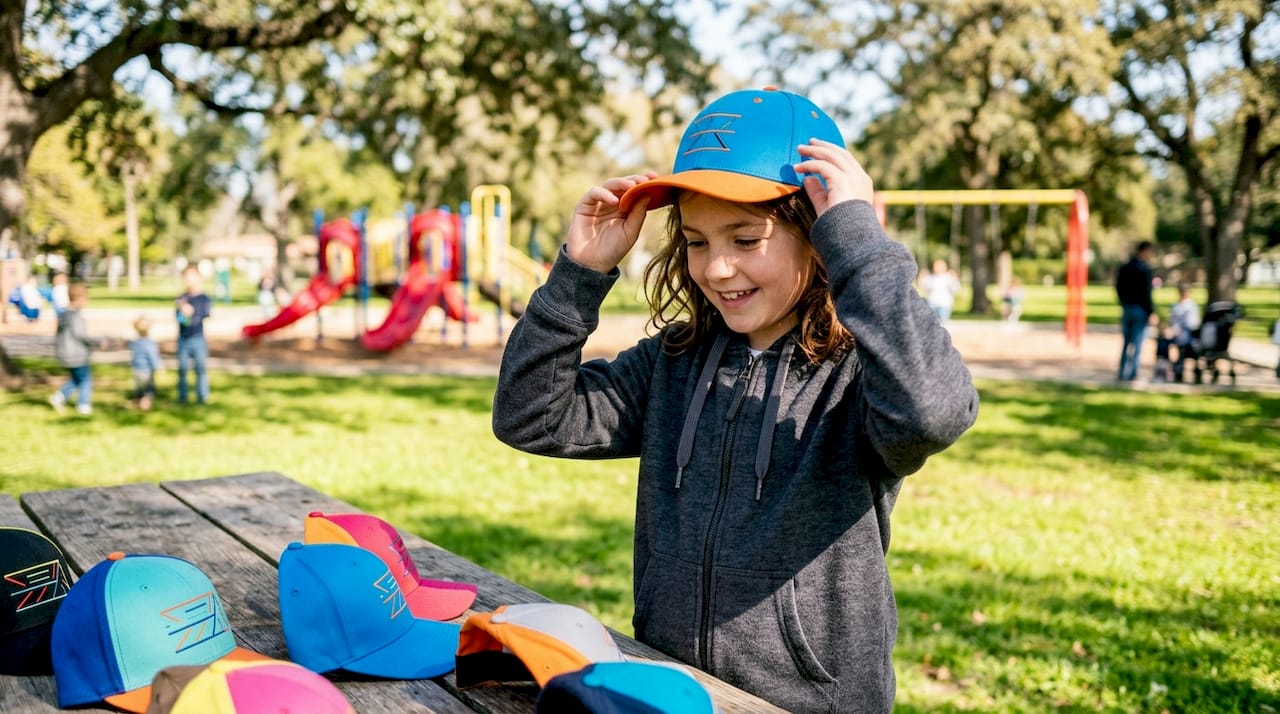
Youth sports programs that invest in matching headwear consistently report stronger group cohesion. The hat becomes a daily reminder of membership. A player who puts on the team cap at school on a Tuesday morning is reinforcing their identity as part of something larger than themselves.
The effect is especially strong for younger players, ages 6 through 12, who are still forming their sense of belonging. Shared apparel creates a visible tribe. Coaches who use matching team apparel report that players arrive at practice more focused and more willing to cooperate.
“A custom hat is not just a piece of headwear. It is a daily, wearable commitment to the team. When players wear it outside the rink or field, they carry the team’s identity into every room they enter.”
The benefits extend to parents and families. When a parent wears the same team cap to a game, it signals investment in the program. That visible support raises the energy level for players on the bench.
- Unified look signals professionalism to opponents, officials, and spectators
- Shared headwear reduces the “outsider” feeling for new players joining mid-season
- Hat-wearing habits outside games multiply the team’s public visibility
- Consistent branding across hats and jerseys builds a recognizable team image
Does sizing and material really matter for youth sports hats?
Sizing is the most overlooked factor in youth hat orders. Youth-specific sizing for age groups such as 4–8 years prevents the poor fit and discomfort that come with adult-sized caps placed on smaller heads. An adult hat that slides over a child’s eyes is not just uncomfortable. It is a distraction during play and a source of embarrassment that makes kids less likely to wear the hat at all.
Material choice is equally critical. Active youth players need lightweight, breathable fabrics that wick moisture away from the skin. A heavy cotton cap soaked in sweat becomes uncomfortable within minutes of physical activity. Polyester blends and performance fabrics keep players cooler and dry faster, which matters across a full season of outdoor games and practices.
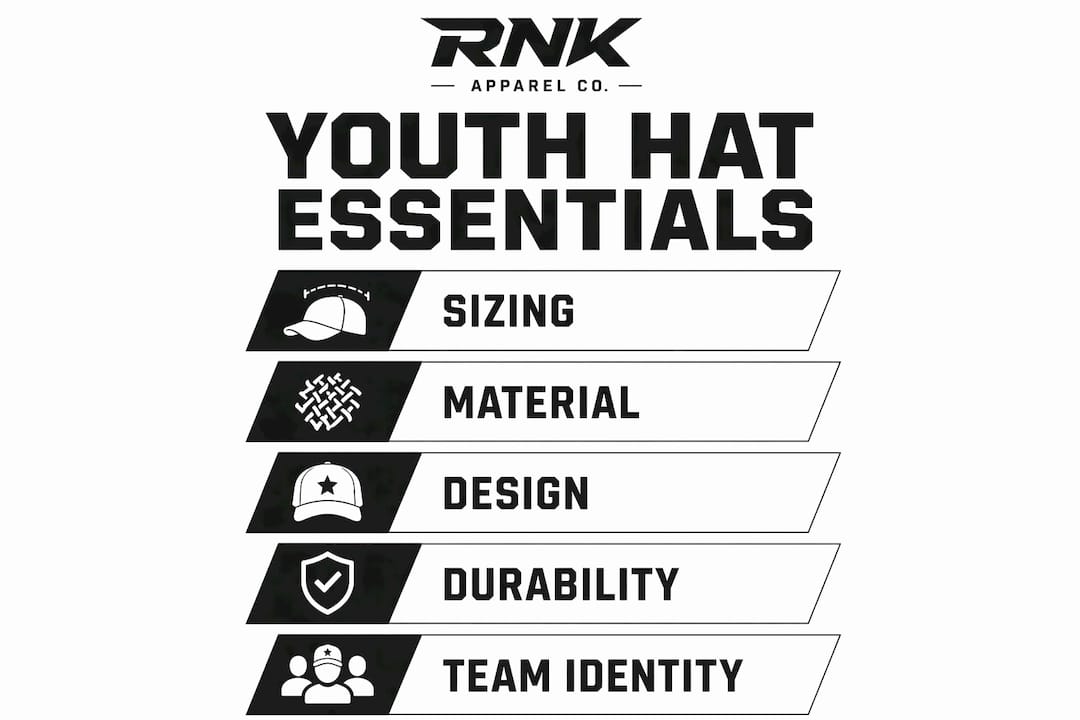
Adjustable snapback closures solve one of the biggest logistical headaches in team ordering: head size variation. Youth rosters include players with a wide range of head circumferences. A one-size-fits-most snapback eliminates the need to measure every player and simplifies reordering when new players join. That flexibility also means the hat fits as the player grows through a season.
Pro Tip: Order a sample hat in your target youth size before placing the full team order. Fit it on two or three players at opposite ends of the size range. A hat that works on both is the right choice.
Durability features matter more for youth hats than for adult versions. Kids are harder on gear. Reinforced stitching at stress points, waterproof coatings on the brim, and structured front panels that hold their shape after repeated washing all extend the hat’s useful life. A hat that falls apart in six weeks fails its job as a lasting team symbol.
| Feature | Why it matters for youth |
|---|---|
| Youth-specific sizing (ages 4–8) | Prevents poor fit and discomfort during active play |
| Moisture-wicking fabric | Keeps players cool and comfortable through full games |
| Adjustable snapback closure | Accommodates head size variation across the roster |
| Reinforced stitching | Withstands heavy daily use and repeated washing |
| Structured front panel | Maintains shape and provides a clean embroidery surface |
What design principles make custom youth hats look professional?
Logo size is the most common design mistake in youth hat orders. Oversized logos on smaller caps look cluttered and unprofessional. The correct approach is proportional scaling: a logo that looks sharp on an adult cap needs to be reduced for a youth-sized hat while keeping the design clean and readable. Successful youth hat branding uses scaled-down, clean logo embroidery that maintains visual impact without overwhelming the smaller surface area.
Embroidery style also affects the final result. Flat embroidery sits flush with the fabric and works well for detailed logos with fine lines. 3D puff embroidery adds height and visual weight, which suits bold, simple designs like a team initial or a single icon. For youth hats, flat embroidery on a structured front panel generally delivers the most durable and professional result.
Unstructured or low-profile hats often suit younger players better than the stiff, high-crown styles seen in professional leagues. A low-profile cap sits closer to the head, stays in place during movement, and feels lighter. Coaches who copy pro-league aesthetics exactly often end up with hats that look great on a shelf but slip around during a drill.
Pro Tip: Use your team’s two primary colors only. Adding a third or fourth color to a small hat creates visual noise. A two-color design with a clean logo reads clearly from 30 feet away, which is exactly where most spectators stand.
- Scale the logo down proportionally for youth hat dimensions
- Choose flat embroidery for detailed logos, 3D puff for bold single-element designs
- Limit the color palette to two primary team colors
- Select low-profile or unstructured styles for players under age 10
- If budget allows, create a separate fan version so player hats stay focused on function
How do custom hats benefit teams beyond game day?
Custom hats are mobile brand ambassadors that work every time a player or parent wears one in public. A durable, attractive hat worn to school, the grocery store, or a community event puts the team’s name in front of people who never attend games. That daily exposure builds recognition and loyalty in the local community over an entire season.
The practical uses extend well beyond the sport itself. Youth players wear team hats to summer camps, school field trips, and neighborhood events. Each appearance reinforces the player’s identity as part of the team and introduces the program to new audiences. This is why hat quality matters so much: a hat that holds its shape and color after months of use keeps working as a promotion tool long after the season ends.
Custom hats also open fundraising opportunities that other apparel items cannot match. Here is how coaches and parents can put that to work:
- Order a small batch of fan-edition hats in the same design as the player version and sell them at games to raise program funds.
- Partner with a local business to co-brand a limited hat run, splitting costs and sharing visibility.
- Use end-of-season hats as awards or keepsakes, which players and families keep for years.
- Offer hat pre-orders to families before the season starts to offset the upfront production cost.
- Donate a portion of hat sales to a youth sports charity to build goodwill and media attention for the program.
Custom hats are multifunctional tools that deliver brand promotion, fan loyalty, merchandise revenue, and a stronger team image all at once. No other single piece of youth sports team apparel matches that range of impact at a comparable price point.
Key Takeaways
Custom hats for youth teams deliver the strongest return when sizing, material, and design are chosen with the player’s comfort and daily wearability as the top priorities.
| Point | Details |
|---|---|
| Team identity starts with the hat | A shared custom cap is the fastest visual signal of team belonging for youth players. |
| Youth sizing is non-negotiable | Age-specific sizes and adjustable snapbacks prevent poor fit and simplify roster management. |
| Scale logos for smaller hats | Proportional, clean embroidery on youth-sized caps looks more professional than oversized designs. |
| Hats work beyond game day | Durable, wearable hats multiply team visibility every time a player or parent wears one in public. |
| Separate player and fan versions | Keeping player hats focused on function and comfort improves satisfaction for everyone. |
What I’ve learned from watching teams get this wrong
The most common mistake I see coaches make is ordering adult-style hats in a smaller size and calling it done. The proportions are wrong, the crown sits too high, and within two weeks half the players have stopped wearing them. Fit is not a secondary concern. It is the entire point.
The second mistake is trying to design one hat that satisfies every stakeholder: the coach wants the logo front and center, the parents want the team name spelled out, and the kids want it to look cool. The result is a cluttered cap that satisfies no one. Focusing on player needs first and creating a separate fan version when the budget allows is the cleaner solution every time.
What I have noticed consistently is this: when players wear their custom hats to practice without being told to, the hat is working. That voluntary adoption is the real measure of success. It means the hat fits well, looks good, and feels like something worth wearing. A hat that stays in the equipment bag is a design failure, regardless of how good it looks in a product photo.
If I were advising a coach ordering for the first time, I would say: spend more on fit and fabric than on elaborate design. A simple, well-made hat in your team colors with a clean logo will outlast and outperform a complex design on a cheap blank every single time.
— Eric
Rnkapparel’s custom hats for youth hockey teams
Rnkapparel builds custom hockey hats designed specifically for youth and adult team rosters across the United States and Canada. Every hat is available with full customization: team logos, player names, color selection, and style choices that match your program’s identity.
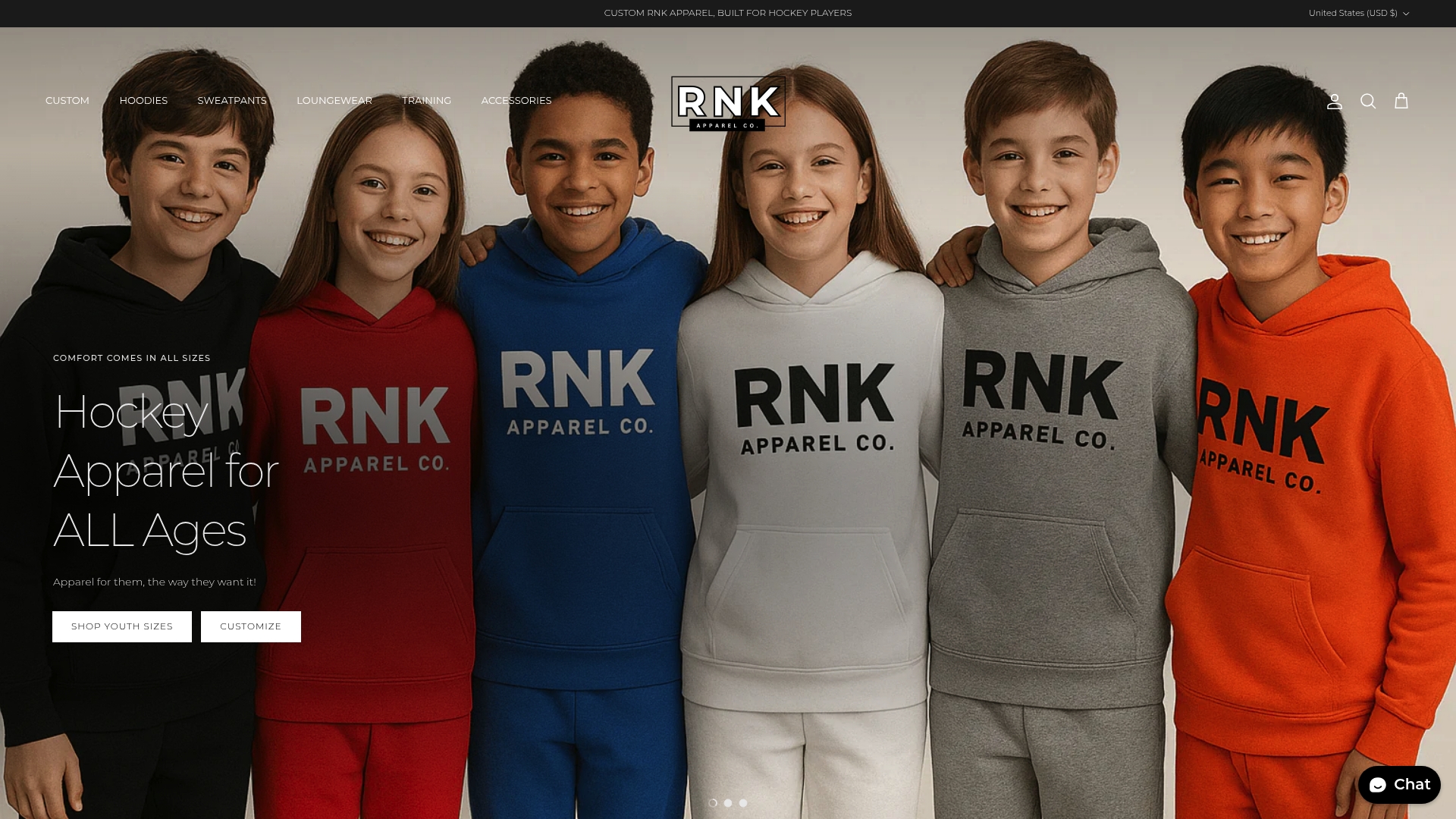
Youth teams get access to youth-specific sizing, adjustable snapback closures, and performance fabrics built for active use. Rnkapparel’s catalog also includes hockey team accessories and full spirit wear lines that pair with custom hats to create a complete, unified team look. Whether you are outfitting a six-player travel squad or a full recreational league, Rnkapparel has the options to match your budget and your team’s style.
FAQ
Why are custom hats used for youth sports teams?
Custom hats create a unified visual identity that reinforces team belonging and boosts player morale. They serve as a daily symbol of team membership both on and off the field.
What hat size works best for young players?
Youth-specific sizing designed for ages 4–8 prevents the poor fit common with adult caps. Adjustable snapback closures accommodate the range of head sizes found across a typical youth roster.
Should youth hats use flat or 3D puff embroidery?
Flat embroidery works best for detailed logos with fine lines, while 3D puff embroidery suits bold, simple designs. For most youth hats, flat embroidery on a structured front panel delivers the most durable result.
Can custom hats help with team fundraising?
Custom hats are effective fundraising tools. Fan-edition versions of the player hat can be sold at games, and pre-orders from families can offset upfront production costs before the season begins.
How do custom hats benefit teams outside of games?
Durable custom hats worn by players and parents in everyday settings act as mobile promotions for the team, building community recognition and loyalty throughout the year.
