
A team apparel reorder means going back to the same approved design and asking for more of it. Skip the fresh design rounds: pull your original order number, hand the vendor your updated roster and sizes, and ask for a quick reorder proof with a confirmed lead time. Before you say yes, always ask about minimums and rush fees, since a small add-on run can carry a higher per-piece cost than the original order did.
TL;DR:
- Reorders are repeat runs of an approved design, triggered by roster changes, damaged items, or stock needs, and require exact references to avoid delays.
- Prepare a comprehensive reorder packet immediately after the initial order, including mockups, color codes, product IDs, and a verified roster to streamline the process.
- Keep a single point of contact for size changes and note garment-specific size variations to minimize errors and prevent costly returns.
- Confirm lead times, minimums, and costs upfront, especially when rush services are needed, as add-on runs can be more expensive per piece than original bulk orders.
- Store all reorder-related files, proof versions, and approval communications in one place, and verify shipment upon arrival to catch discrepancies early.
Table of Contents
- What Makes a Reorder Different From a New Team Order?
- Build a Reorder Packet Right After Your First Order
- How Do You Avoid Repeat Sizing Mistakes?
- What Should You Expect for Timing, Minimums, and Cost?
- The Five-Step Reorder Workflow
- What If Your Original Product or Fabric Is Discontinued?
- RNK Apparel Co.'s Practical Habits for Faster Reorders
- A Coach’s Simple Reorder Routine
- Start Your Next Reorder With RNK Apparel Co.
- A Few More Places to Read Up On Reorders
- Sources
- FAQ
What Makes a Reorder Different From a New Team Order?
A reorder isn’t a new project. It’s a repeat run of a design that’s already approved, already priced, and already sitting in a vendor’s production file somewhere. Wooter defines it as exactly that: a repeat order using an existing approved design, typically triggered by one of a few predictable events.
- A new player joins mid-season and needs a jersey that matches everyone else’s.
- An item gets damaged, lost, or worn out faster than expected.
- A size doesn’t fit right and needs swapping before the next game.
- The team wants backup stock so a torn jersey doesn’t mean scrambling on game day.
The catch: “faster” only holds true if you hand the vendor exact references. Guess at a color code or skip the product ID, and you’ve turned a five-minute reorder into a new design negotiation.
Build a Reorder Packet Right After Your First Order
The best time to prepare for a reorder is the day your original shipment arrives, not the day you need one. Gather everything into a single packet while the details are still fresh, and you’ll never have to reconstruct them from memory later.
- Save the final approved mockups, front and back, exactly as they were signed off.
- Record the color codes or vendor color IDs, not just “team blue.”
- Note the product style number or SKU for every garment ordered.
- Keep the decoration specs (stitch type, print method, placement measurements).
- File the approved proof version number, since vendors often revise proofs more than once.
- Store the invoice or order confirmation number where anyone on staff can find it.
For your roster, use one file with columns for player name, number, size, and position, and keep it in a shared cloud folder rather than someone’s inbox. Preferred Sportswear’s ordering guidance backs this up: a single verified roster, checked once before submission, prevents the sizing mix-ups that plague team orders.
Pro Tip: Name your files with the order number first (e.g., “48213_Roster_2026”) so a quick search pulls up everything tied to that run, instead of scrolling through a folder of similarly named documents.

How Do You Avoid Repeat Sizing Mistakes?
Sizing errors are the most common reason a reorder turns into a return. The fix isn’t complicated, but it does require someone to actually write things down the first time around.
- Keep notes on which sizes ran small or large for that specific garment style, since sizing varies by manufacturer and even by product line.
- Map player measurements to the vendor’s actual size chart rather than assuming last year’s medium still fits this year’s kid.
- Set a roster lock date and designate one approver, so names, numbers, and sizes don’t change after the file goes to production.
- Collect fresh measurements for growing youth players; trust prior selections only for returning adult players whose size hasn’t shifted.
That single-approver rule matters more than it sounds. When three parents and two assistant coaches are all emailing size changes to a vendor, something gets missed. One point of contact means one clean file.
What Should You Expect for Timing, Minimums, and Cost?
Reorders often move faster than original orders because the design work is already done, but “faster” still has real limits. Confirm your lead time before you commit to a delivery date with your league or event organizer, not after.
- Standard production plus shipping across the U.S. typically stretches over several weeks, depending on garment type and decoration method.
- Small add-on runs for new players usually cost more per piece than the original bulk order because minimums reset the pricing tiers.
- Rush service can save a season but usually comes with a premium; ask for that number upfront so it’s not a surprise on the invoice.
Repeat-order support programs that retain your artwork, size lists, and production notes shave real time off this process, since the vendor isn’t hunting for your file from eight months ago. Ask your supplier directly whether they keep that kind of record on file for your team.
The Five-Step Reorder Workflow
Whether you’re ordering three replacement jerseys or restocking an entire bench, the workflow stays the same. Print this out and hand it to whoever handles apparel next season.
- Locate your original order reference and approved proof. Note every product ID tied to that order.
- Build your updated roster. Include sizes, names, numbers, and a clear size breakdown by quantity.
- Send the full reorder packet to your vendor. Request a reorder proof and a production ETA in the same email.
- Confirm pricing, minimums, and shipping in writing. Approve the proof only after all three are locked.
- Inspect the shipment the day it arrives. Document any discrepancies immediately, while the packing slip is still in hand.
| Step | What You Provide | What You Should Get Back |
|---|---|---|
| Reference order | Order number, approved proof | Confirmation it matches your file |
| Updated roster | Names, numbers, sizes | Reorder proof with quantities |
| Packet sent | Full specs, product IDs | Production ETA, pricing |
| Written approval | Signed off proof | Order confirmation, invoice |
| Delivery | Packing checklist | Inspected, matched shipment |
What If Your Original Product or Fabric Is Discontinued?
Materials change. A hoodie blend gets updated, a color gets phased out, a trim supplier switches. When your exact garment isn’t available anymore, you have real options, not just a forced compromise.
- Ask the vendor for their closest available match, and request a side-by-side mockup against your original proof before approving anything.
- If color accuracy matters for your team’s look, request a physical swatch rather than trusting a screen rendering.
- Put acceptable tolerances in writing, things like slight color variance or a different stitch style, and sign off before production starts.
- For urgent needs, consider a limited replacement batch covering just the sizes you need now, rather than reordering the entire set and risking a mismatch across old and new stock.
Pro Tip: Keep a physical fabric swatch from your original order in a labeled envelope. Screens lie about color far more often than people expect, and a swatch settles the argument in five seconds.
RNK Apparel Co.'s Practical Habits for Faster Reorders
RNK Apparel Co.'s guide to how team orders get processed lays out the habits that separate a smooth reorder from a delayed one. The pattern holds across most vendors, not just this one: save the proof, save the SKU, save the roster, and route every approval through one person.
- Store your approved proof, product IDs, and final roster file together in one place immediately after your original order ships.
- Name one approver for every reorder decision so a vendor isn’t fielding conflicting size changes from three different people.
- Send three lines in your first reorder email: the original order number, what’s changed (roster, quantities, sizes), and a request for a reorder proof with an ETA.
The most common error RNK sees is teams reaching out with a garment description instead of an order number. “The navy hoodie with the wolf logo from last fall” takes a vendor far longer to track down than a six-digit order reference ever would.
A Coach’s Simple Reorder Routine

The teams that never scramble follow the same three-step habit, every single time. Save the approved proof and order number the moment the original shipment ships. Verify the roster against actual current players, not last season’s file. Confirm the lead time in writing before you promise parents a delivery date.
That’s it. No fresh design rounds, no guessing on colors, no size disputes three weeks before a tournament. The routine takes ten minutes and prevents the kind of last-minute panic that makes coaches dread apparel season.
— Eric
Start Your Next Reorder With RNK Apparel Co.
Rnkapparel is built for teams that don’t want to redo design work every time a new player joins or a jersey wears out. Because RNK Apparel Co. lets you upload team logos and set player names and numbers directly through its customization tools, your original specs stay tied to your account instead of scattered across old email threads.
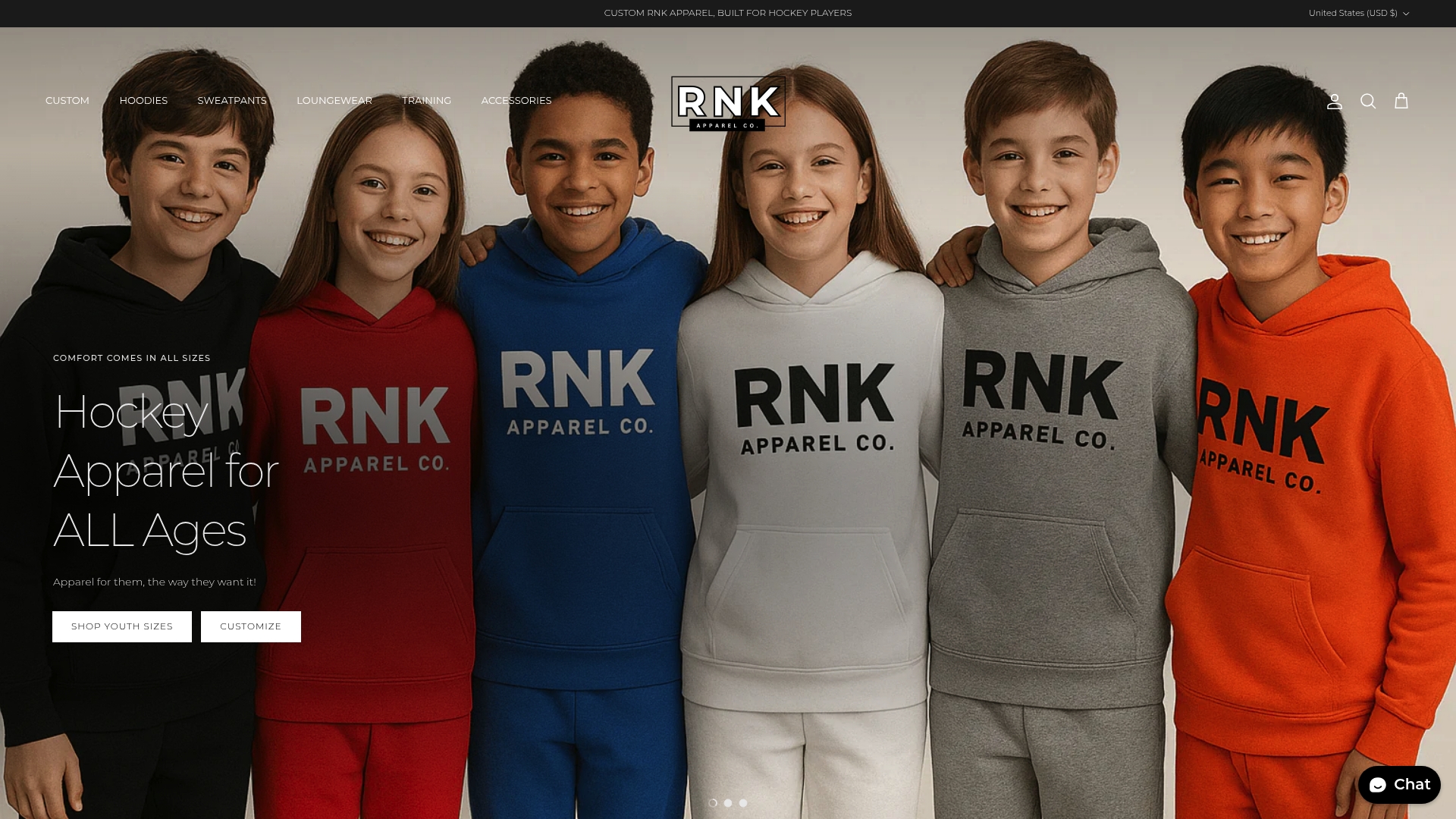
If your team needs replacement hoodies mid season, extra short sleeve tees for new call-ups, or a full restock of joggers before playoffs, start by browsing the current catalog and referencing your prior order details when you check out. Have questions about matching an older run? Reach out through the site before you place the order, and get your reorder packet together first: proof, roster, and order number.
A Few More Places to Read Up On Reorders
For readers who want to go deeper on any single piece of this process, these are worth bookmarking:
- Custom Uniform Design Process: A Complete Guide
- How to Order Custom Team Uniforms
- Custom Practice Hockey Jerseys: What Teams Should Order
- Custom Team Apparel Fulfillment: The 2026 Guide to Risk-Free Gear
Sources
- Custom Uniform Design Process: A Complete Guide | Wooter
- How to Order Customer Team Uniforms | Preferred Sportswear
- Repeat Order Support for Custom Jerseys and Teamwear | Eking Sports
FAQ
Where Can I Find an Online Store for Team Apparel?
Most custom apparel vendors, including RNK Apparel Co., operate as direct online stores where teams upload logos, choose garments, and place both original orders and reorders. Check whether the vendor keeps your account tied to past orders, since that’s what makes future reorders faster.
What Are Some Good Ideas for Team Gear Beyond Jerseys?
Hoodies, joggers, and headwear round out a team’s look for practice, travel, and downtime beyond game day. Bags and totes also get reordered often, since they take daily wear that jerseys don’t.
Who Are the Largest T-Shirt Wholesale Distributors?
Wholesale distribution varies widely by region and order volume, and no single distributor dominates every market. For team-specific custom tees rather than blank wholesale stock, a specialized team apparel vendor typically offers better size and roster support than a general wholesale distributor.
What Is Team Apparel?
Team apparel refers to clothing customized with a team’s logo, colors, and often player names or numbers, covering jerseys, hoodies, shorts, and accessories worn by athletes and fans alike. It differs from generic sportswear in that it’s tied to a specific team’s identity rather than a general athletic brand.
How Long Does a Typical Reorder Take Compared to a New Order?
A reorder often moves faster since the design and approval steps are already done, but production and U.S. shipping still take real time, usually spanning several weeks depending on the garment and decoration method. Always confirm the exact window with your vendor before promising a delivery date to your team.
