

Before you spend a dollar on your young athlete’s gear, run through this checklist: fabric blend and breathability, GSM weight for durability, fit with growth allowances, safety compliance with ASTM F2745-25, sport-specific design, and customization placement. Those six factors separate apparel that lasts a full season from gear that pills, fades, or restricts movement by week three.
Quick-reference checklist:
- Fabric is an engineered blend, not pure 100% polyester
- GSM is at least 150 for game wear (180+ for jerseys)
- ASTM F2745-25 compliant for flammability, lead, and dye safety
- UPF 40+ rating for any outdoor sport
- Sized by chest and torso measurement, not age label
- Growth allowance built into sleeves and waistband
- Customization placed for visibility and safety, not just style
- Care instructions confirm cold wash, tumble dry low, no fabric softener
Table of Contents
- 1. What fabrics actually perform in youth sports apparel
- 2. How fit affects your child’s performance and safety
- 3. Durability and care tips to extend apparel lifespan
- 4. Safety features you should check before buying
- 5. Balancing style with function in children’s sportswear
- Rnkapparel makes custom youth hockey apparel worth wearing all season
- Key Takeaways
1. What fabrics actually perform in youth sports apparel
Parents often treat “100% polyester” as a quality signal. It isn’t. Pure polyester traps heat, wicks poorly at low sweat volumes, and degrades faster under UV exposure. For kids who play hard outdoors, that’s a real problem by midsummer.
Engineered blends outperform single-fiber fabrics for youth athletes. A construction like 72% polyester, 20% nylon, and 8% spandex delivers dynamic stretch, abrasion resistance, and better moisture management than pure polyester alone. Nylon adds toughness; spandex keeps the garment returning to its original shape after hundreds of stretch cycles.
| Performance Metric | Recommended Standard | Why It Matters |
|---|---|---|
| Fabric weight (GSM) | 150 GSM minimum; 180 GSM+ for game jerseys | Below 150 GSM is t-shirt territory, not game wear |
| Pilling resistance | — | Grade 3 or lower means visible fuzzing within 6 weeks |
| UPF rating | UPF 40+ for outdoor sports | Protects skin without sacrificing breathability |
| Moisture vapor transmission | — | Below this, sweat pools instead of evaporating |
Fabric care basics that protect performance:
- Machine wash cold to prevent fiber breakdown
- Tumble dry low; high heat degrades spandex and elastic
- Skip fabric softener entirely; it coats moisture-wicking fibers and kills breathability
- Turn garments inside out to protect printed numbers and logos
2. How fit affects your child’s performance and safety
Fit is where most parents make the costliest mistake. Buying too small restricts movement and causes chafing. Buying too large without intentional design allowances just means a baggy garment that bunches under pads or catches on equipment.
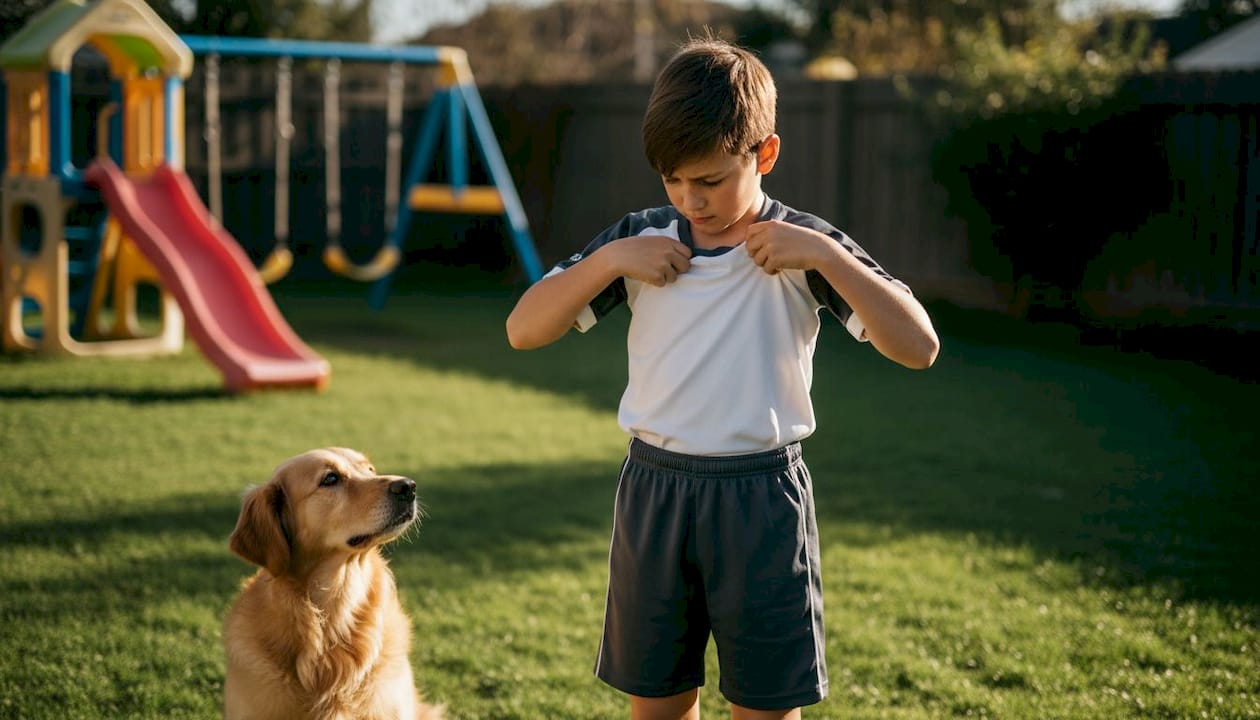
Functional fit means the garment follows the body’s natural lines without constricting movement, with particular attention to sleeve and shoulder fit. A jersey that binds at the shoulder limits throwing, reaching, and rotational range of motion. That’s not a comfort issue; it’s a performance issue.
Pro Tip: Size by chest circumference and torso length, not the age label on the tag. Age labels vary by manufacturer and give you no reliable fit information.
Adaptive sizing is the smarter approach. Teams using adaptive-sizing protocols reported fewer mid-season uniform replacements. For basketball jerseys, that means 1.5 inches of extra sleeve length and articulated shoulder seams. For shorts, it means expandable waistbands with dual-layer elastic. One size of additional room costs nothing at order time and can extend the garment’s useful life through a second season.
For a detailed sizing walkthrough, Rnkapparel’s youth apparel sizing guide covers chest and torso measurements with sport-specific notes.
3. Durability and care tips to extend apparel lifespan
Durability starts at the fabric level, but it lives or dies in the laundry room. Even a well-constructed 180 GSM jersey degrades fast if washed in hot water or dried on high heat repeatedly.
Proper washing protocols are machine wash cold, tumble dry low, and no fabric softener. These aren’t suggestions from a hang tag; they’re the practices that keep moisture-wicking fibers functional and prevent dye bleeding across a season of weekly washes.
Maintenance checklist for parents:
- Wash after every use; dried sweat accelerates fiber breakdown
- Check seams and stitching monthly; loose threads catch on equipment
- Store dry and flat, not crumpled in a gear bag
- Ask vendors for realistic lifespan estimates (“2 seasons of regular play”) rather than accepting vague guarantees
- Verify ASTM compliance before buying; non-compliant fabrics can melt under heat stress and leach dyes during heavy sweating
4. Safety features you should check before buying
Since January 2025, all custom athletic apparel sold in North America for children under 14 must comply with ASTM F2745-25 standards. That covers fabric flammability (Class 1 only), lead and phthalate content at or below 90 ppm, and dye migration resistance tested after 20 industrial washes.
Don’t just accept a “Certified Safe” label. Ask the vendor for the actual test report number and verify it against the ASTM database. Reputable suppliers provide compliance documentation linked directly on their product pages, not buried in footnotes.
Safety extends to fit, too. The American Dental Association is clear that correct fit of protective gear like mouthguards dramatically improves protection effectiveness. A properly fitted $10 mouthguard protects better than an ill-fitting $25 one. For younger athletes, sock-style shin guards are easiest to manage and stay in place without straps or tape.
5. Balancing style with function in children’s sportswear
Branding and aesthetics matter to kids, and that’s fine. But logo placement and decoration method should serve function first. Embroidery on the upper back blocks scapular movement. Stiff heat-transfer vinyl centered on the back restricts motion. These aren’t edge cases; they’re common ordering mistakes.
Customization decisions that affect performance:
- Team logos belong on the left chest only, not across the upper back
- Jersey numbers placed 1.5 inches below the shoulder seam, using flexible heat-transfer vinyl rather than stiff embroidery
- Sublimation printing embeds graphics directly into fabric fibers, preventing cracking or peeling and keeping numbers legible through a full competitive season. It works best on 100% polyester fabrics.
- Heat transfer is the better choice for small logos and mixed-fabric garments, offering superior stretch recovery compared to embroidery
For outdoor sports, prioritize UPF-rated fabrics in lighter colors that reflect heat. For cold-weather seasons, look for thumbhole cuffs and interior drawcords on warm-up layers rather than decorative features that add bulk without warmth.
Rnkapparel makes custom youth hockey apparel worth wearing all season
Custom youth hockey gear shouldn’t mean choosing between quality and team identity. Rnkapparel builds both into every order, with custom hockey shirts and performance layers designed specifically for youth athletes who need real range of motion, not just a logo on a t-shirt.
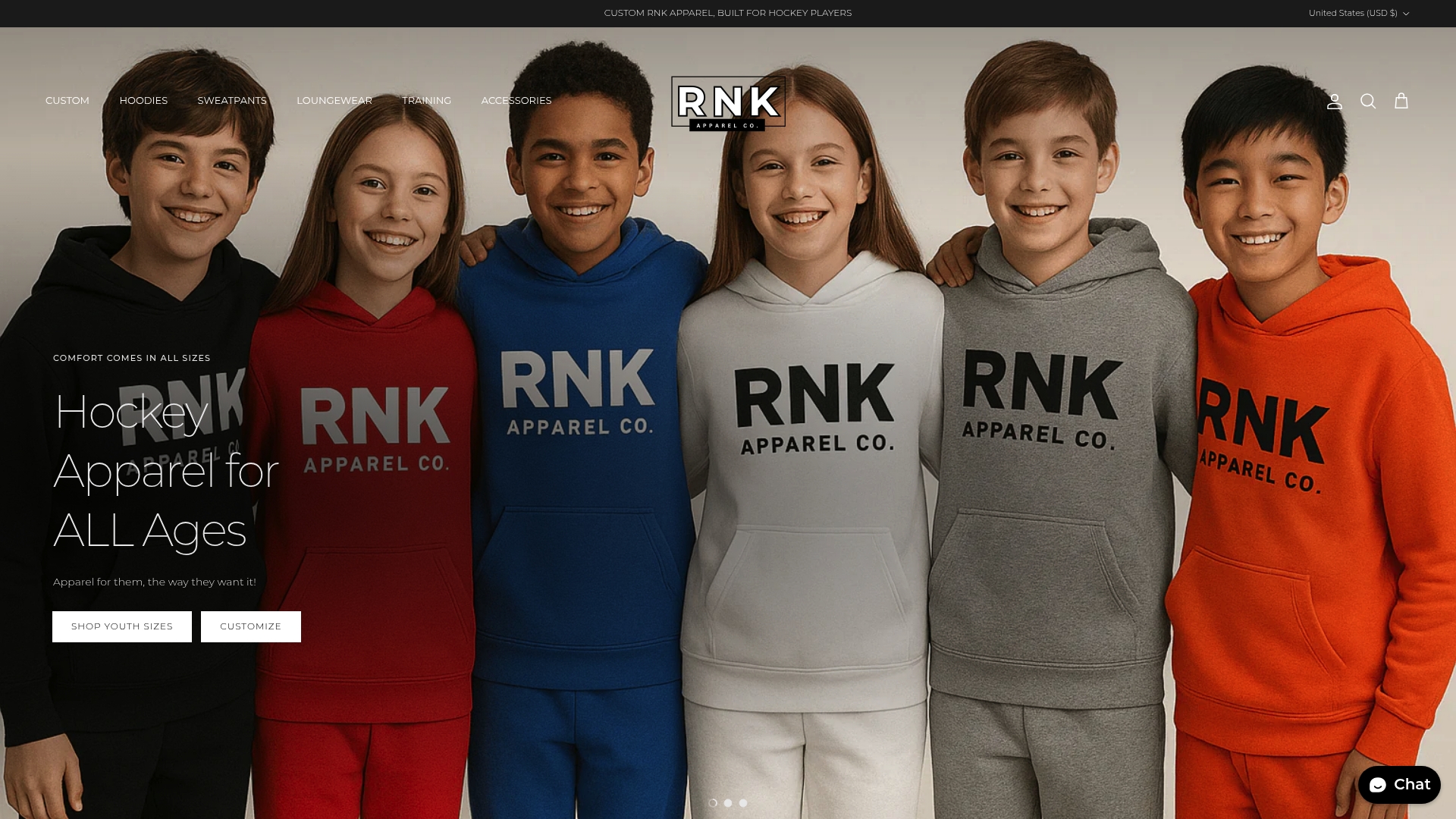
The difference parents notice: Rnkapparel’s garments are built for the demands of hockey, with fabric weights and construction suited to game wear, not fan tees. You can add player names, numbers, and team logos without the customization choices that restrict movement or peel after a dozen washes. The hockey workout apparel collection covers training sessions, and the full range extends to hoodies and long sleeves for cold rinks and early-morning practices. Browse the collections and get your team’s order started today.
Key Takeaways
The single most important decision in buying youth sports apparel is fabric construction: engineered blends outperform pure polyester on breathability, stretch recovery, and durability across a full season.
| Point | Details |
|---|---|
| Fabric weight benchmark | Game jerseys need at least 180 GSM; anything below 150 GSM is not durable enough for competitive play. |
| Safety compliance | ASTM F2745-25 (effective January 2025) requires third-party testing for flammability, lead content, and dye migration. |
| Adaptive sizing | Teams using adaptive sizing with growth allowances reported fewer mid-season uniform replacements. |
| Care routine | Machine wash cold, tumble dry low, and skip fabric softener to preserve moisture-wicking performance. |
| Rnkapparel | Offers custom youth hockey apparel with performance-grade construction and team customization options for the full season. |
Recommended
- Youth Apparel Sizing for Parents: A Practical Guide – RNK Apparel Co.
- Youth Hockey Hoodies: The Ultimate 2026 Buying Guide for Players & Par – RNK Apparel Co.
- Why Youth Sizes Differ from Adult Sizing in Sports Apparel – RNK Apparel Co.
- Bulk Order Youth Hockey Sweatshirts for Your Team – RNK Apparel Co.
