

The best moisture-wicking hockey shirts are built from polyester fabrics treated with antimicrobial silver, and that combination is what separates a shirt that keeps you dry and odor-free from one that just gets soaked and stinks by the second period. Polyester pulls sweat away from your skin and evaporates it fast. The silver treatment stops the bacteria that cause that locker-room smell before they ever get started.
Here is what the best options share:
- Polyester mesh for game jerseys: open-weave construction that maximizes airflow and accelerates sweat evaporation
- Knit polyester for practice wear: tighter weave, smoother surface, resistant to pilling and shrinkage
- Polyester-spandex blends for youth and amateur players: adds stretch and shape retention without sacrificing moisture management
- Antimicrobial silver treatment on any shirt worn during heavy sweat sessions: inhibits bacteria, fungi, and algae growth on the fabric
- Fitted or compression cuts for pad stability: keeps elbow pads from shifting mid-shift
Youth players have one extra box to check. USA Hockey mandates neck laceration protection for players under 18, so any base layer needs to fit comfortably alongside a certified neck guard.
What fabric types actually work for moisture-wicking hockey shirts?
Polyester mesh is the dominant choice for game jerseys because its open-weave structure lets heat escape and fresh air circulate continuously. Most NHL and Olympic team jerseys use high-density polyester mesh for exactly that reason. Knit polyester trades some of that airflow for durability: it resists pilling, fading, and shrinkage, which makes it the practical pick for alternate jerseys and daily practice wear.
Polyester-spandex blends go a step further by adding recovery stretch. The spandex prevents the fabric from bagging out over time, so a shirt that fits well on day one still fits well after a full season of washing. Youth and amateur players tend to favor this blend because it moves with them rather than against them.
Key fabric traits to look for when shopping:
- Moisture-wicking: pulls sweat off skin and moves it to the fabric surface for evaporation
- Quick-drying: fabric dries between shifts, not just after the game
- Breathable: allows heat to escape rather than trapping it under pads
- Antimicrobial treatment: silver-based finishes inhibit odor-causing microbes
- Stretch and recovery: four-way stretch maintains fit and freedom of movement
- Lightweight construction: reduces bulk under shoulder and elbow pads
Understanding moisture-wicking fabric benefits goes beyond just staying dry. When sweat evaporates efficiently, your body temperature stays more stable, which means less energy spent on thermoregulation and more focus on the play in front of you.
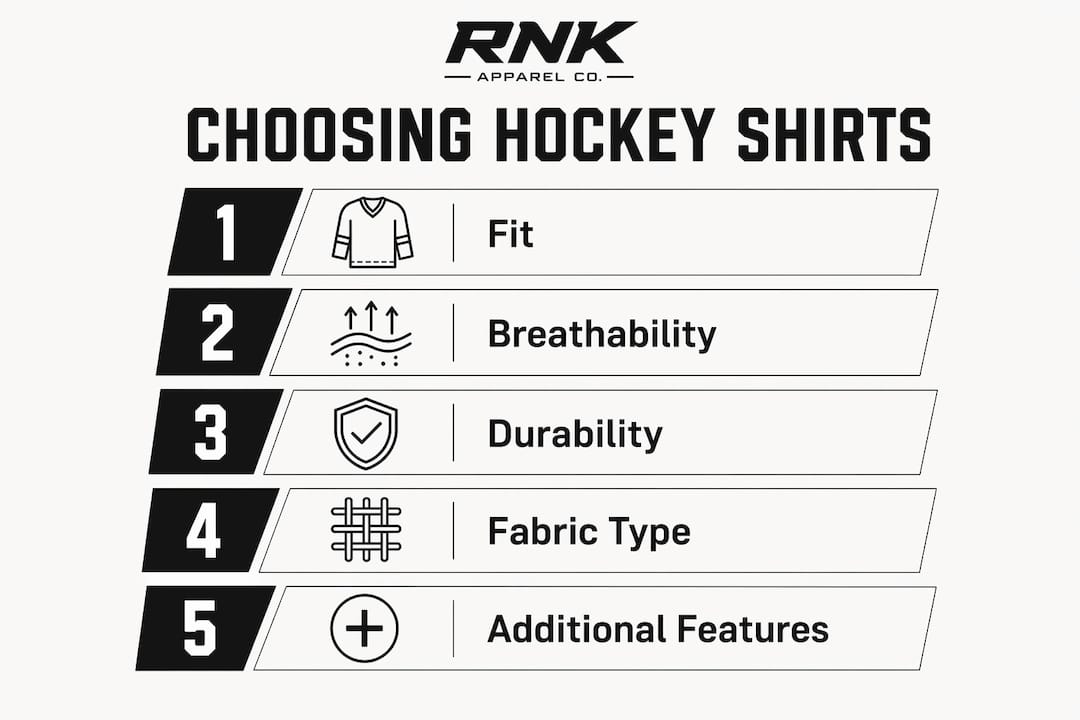
How to choose the right moisture-wicking hockey shirt for your needs
Fit is the first decision, and it has real consequences for how your gear performs. Fitted shirts sit close to the body without compressing it, which keeps elbow pads from riding up during hard skating transitions. Fitted shirts with grip-enhancing graphics take this further by using textured surface details to anchor pads in place. Compression cuts go tighter still, and research suggests they can reduce perceived post-game soreness by limiting muscle oscillation during high-intensity play. Loose fits work fine for casual training but tend to bunch under equipment.
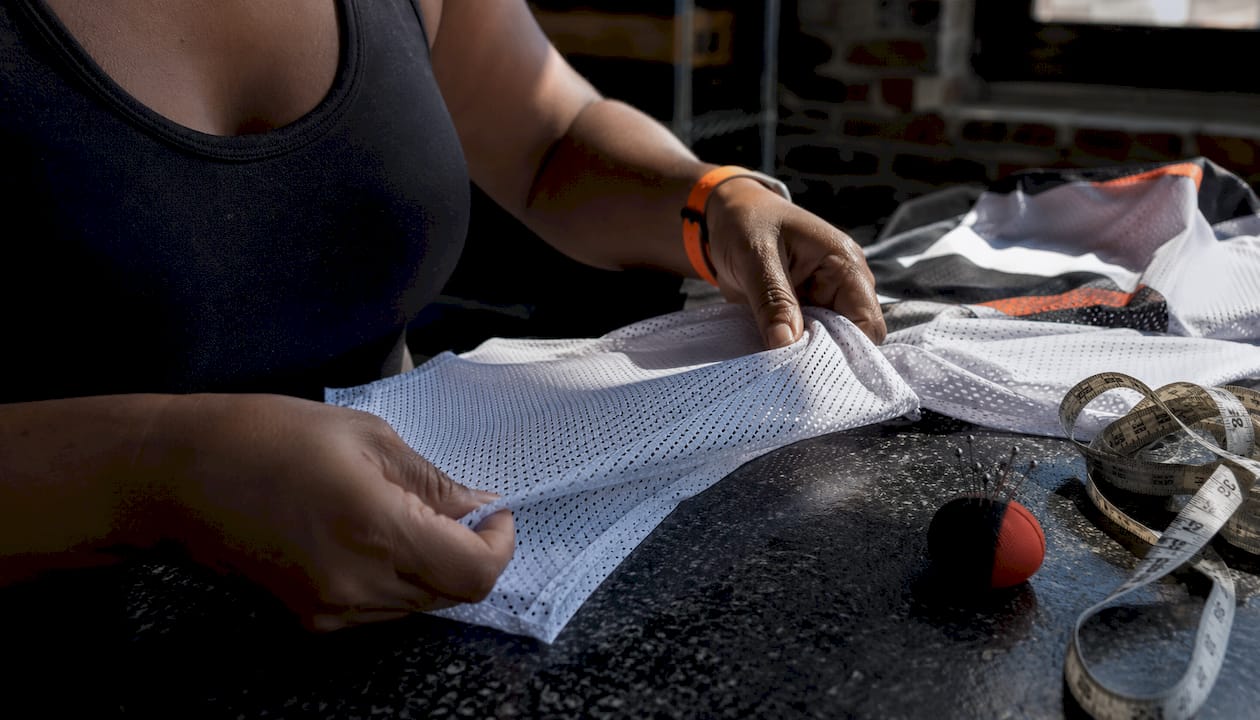
Breathability matters more than most players realize until they overheat. Mesh panels under the arms and across the back are the most effective ventilation features, since those are the zones where heat builds fastest. For cold rinks, a knit polyester shirt with a slightly heavier weight keeps you from losing too much warmth between shifts.
Durability comes down to weave density and fabric composition. Knit polyester holds up better than mesh under repeated washing and physical contact, which is why it suits practice wear. Polyester-spandex blends maintain their shape and color longer than single-fiber fabrics, a real advantage for youth players who wear the same shirt through a full season.
Pro Tip: Wash moisture-wicking shirts in cold water without fabric softener, then air dry. Fabric softener coats the fibers and blocks the wicking action. Air drying protects any elastane in the blend and keeps the shirt fitting the way it should.
Key criteria to evaluate before you buy:
- Fabric type: mesh for ventilation, knit for durability, spandex blend for stretch
- Antimicrobial treatment: look for silver-based finishes on shirts worn during games
- Fit category: fitted or compression for pad stability, loose only for off-ice training
- Ventilation zones: underarm and back mesh panels for heat management
- Youth safety compatibility: room for a certified neck guard without bunching
- Care requirements: cold wash, no softener, air dry to preserve wicking performance
Why Rnkapparel’s approach to moisture-wicking hockey apparel stands out
Rnkapparel builds its performance hockey shirts around 100% polyester with moisture management and antimicrobial performance fabric, the same combination the research consistently points to as the standard for hockey apparel. The focus is on fabrics that work hard during play and hold up through a full season of washing.
What sets Rnkapparel apart for hockey players and teams:
- Performance-first fabric selection: polyester with antimicrobial treatment across the apparel range
- Full customization: upload team logos, add player names and numbers, choose colors
- Range of garment types: hockey tees, long sleeve shirts, hoodies, joggers, and training gear
- Youth and adult sizing: built for players at every level, from youth leagues to adult rec
- Team and individual orders: works for a single player or an entire roster
For players who want to go deeper on off-ice performance shirts, Rnkapparel’s 2026 guide covers fabric selection and fit considerations in detail.
Custom moisture-wicking hockey shirts from Rnkapparel
Rnkapparel gives hockey players and teams a direct path to custom moisture-wicking apparel without the complexity of working through a traditional uniform supplier. Every shirt in the collection uses performance polyester with antimicrobial properties, so sweat management and odor control are built in from the start, not added as an afterthought.
You can personalize any piece with your team logo, player name, number, and color scheme. The hockey t-shirt collection covers short-sleeve options for warm rinks and high-intensity training, while the long sleeve tees work for colder facilities or players who prefer more coverage under their pads. Youth players have dedicated training apparel designed to fit properly alongside protective gear.
Key Takeaways
Polyester with antimicrobial silver treatment is the most effective combination for moisture-wicking hockey shirts, covering sweat management, odor control, and durability in a single fabric choice.
| Point | Details |
|---|---|
| Polyester is the top fabric | Lightweight, quick-drying, and superior at pulling sweat away from skin during play. |
| Mesh vs. knit polyester | Mesh maximizes airflow for games; knit resists pilling and shrinkage for practice wear. |
| Antimicrobial silver treatment | Inhibits bacteria, fungi, and algae growth, preventing odor in sweat-soaked shirts. |
| Fit affects pad stability | Fitted and compression cuts keep elbow pads from shifting during intense skating. |
| Rnkapparel for custom gear | Offers polyester performance shirts with antimicrobial fabric, full customization, and youth sizing. |
Recommended
- The Ultimate Guide to Choosing an Off-Ice Hockey Performance Shirt in – RNK Apparel Co.
- The 2026 Buyer’s Guide to Hockey Graphic T-Shirts and Custom Team Appa – RNK Apparel Co.
- The Ultimate Guide to the Fleece Hockey Sweatshirt: Warmth, Performanc – RNK Apparel Co.
- Hockey Hoodie: Combining Comfort and Style Seamlessly – RNK Apparel Co.
