

On-ice apparel is protective, oversized, and built to work with pads and skates. Off-ice apparel is performance-minded, fitted, and optimized for dryland movement and recovery. Get that distinction wrong and you either show up to practice in gear that restricts your movement or step onto the ice without the protection you need.
Before you dig into the details, here is a quick reference for the two most common scenarios:
- Game day: Full protective kit (helmet, pads, skates, game jersey) plus a travel hoodie and slides for the locker room
- Practice/dryland: Moisture-wicking tee or compression layer, training shorts or joggers, and supportive cross-training shoes
- Travel: Team hoodie, joggers, and a cap for the bus or flight
- Post-skate: Compression layers and breathable slides while your gear airs out
- Cold rink warmup: Long-sleeve base layer under your practice jersey or a lightweight training jacket
Table of Contents
- What does on-ice apparel actually include?
- What should you wear for off-ice training and travel?
- How do on-ice and off-ice apparel compare side by side?
- How do you choose the right fit and fabric?
- How do position and player age change the equation?
- How do you wash and store jerseys and technical fabrics?
- Authentic vs replica jerseys: which one do you actually need?
- Key Takeaways
- What most teams get wrong about apparel
- Custom team apparel built for hockey players
- Useful sources
What does on-ice apparel actually include?
On-ice gear is a system, not just a jersey. Every piece serves a protective or performance function, and the sizing logic flows from one rule: everything must fit over your pads.
What should you wear for off-ice training and travel?
Off-ice apparel covers everything from dryland workouts and gym sessions to bus rides and post-game recovery. The goal shifts from protection to performance and comfort, which means the fabrics and cuts change entirely.
Core off-ice items
- Team hoodie — warmup, cooldown, and travel in one piece
The fabric choice is where most players underinvest. Dryland-specific hockey apparel relies on compression, flatlock stitching, poly-spandex blends, and mesh ventilation zones to support movement, reduce fatigue, and speed recovery. Flatlock seams sit flat against the skin instead of raising a ridge, which matters during floor work and lateral slides. A cotton tee absorbs sweat and stays wet; a poly-spandex tee moves it away from your skin so you stay dry through the full session.
Off-ice apparel also doubles as team identity gear — and choosing the right pieces from quality fitness and gear options can enhance dryland training and recovery. A matching set of custom hoodies and joggers on the bus signals a cohesive program, and players genuinely wear them. That is a different purchase decision from buying a training tee, but it lives in the same category. Check out Rnkapparel’s off-ice training buyer’s guide for a deeper breakdown of what to prioritize by activity.
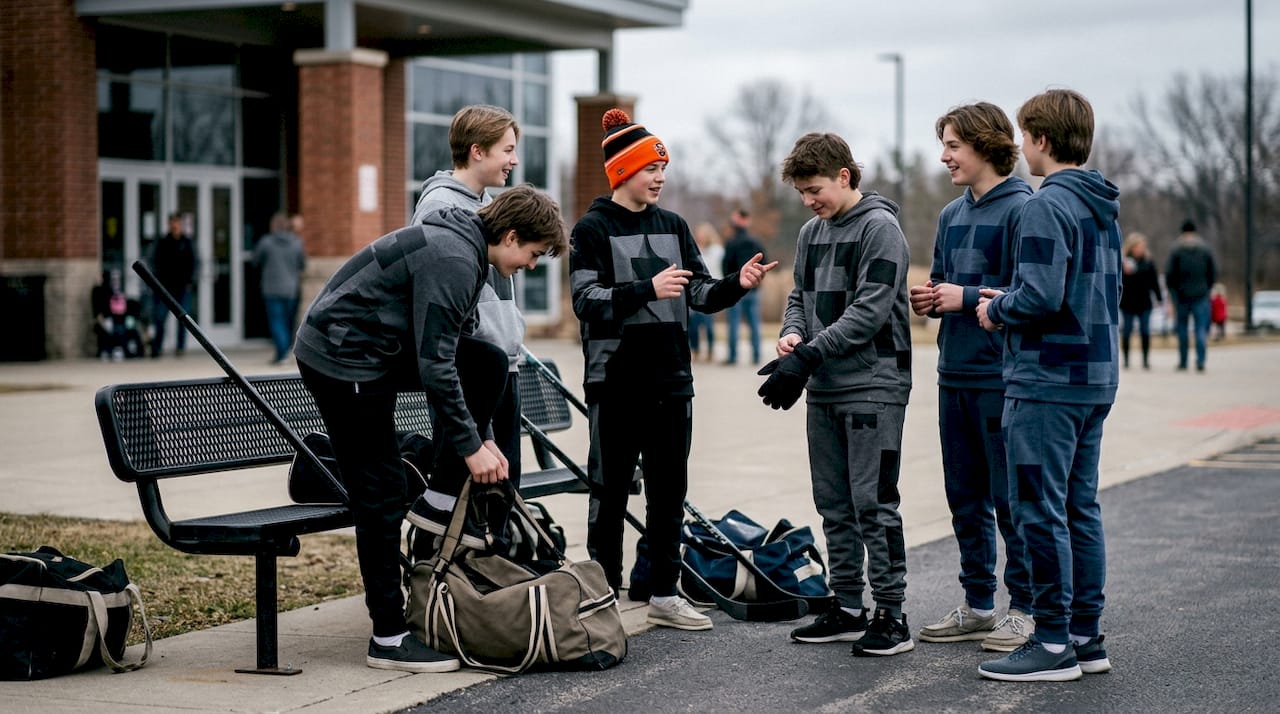
Pro Tip: Layer strategically. Start warmups in a hoodie or training jacket, strip to a compression tee for the main session, then pull the hoodie back on immediately after to keep muscles warm during cooldown. Skipping the post-session layer is one of the fastest ways to tighten up before the next practice.
How do on-ice and off-ice apparel compare side by side?
| Dimension | On-Ice Apparel | Off-Ice Apparel |
|---|---|---|
| Purpose / use case | Game play and on-ice practice | Dryland training, travel, recovery, lifestyle |
| Protection level | High — pads, helmet, reinforced jersey | Low — no contact protection required |
| Common items | Skates, helmet, pads, gloves, jersey, socks | Tees, compression, joggers, hoodies, training shoes |
| Primary materials | Polyester mesh, reinforced twill, nylon shells | Poly-spandex blends, moisture-wicking knits, fleece |
| Fit / sizing | Oversized to clear pads; structured | Fitted to snug; athletic cut with stretch |
| When to wear | Ice sessions, games, on-ice warmups | Gym, dryland, travel, locker room, recovery |
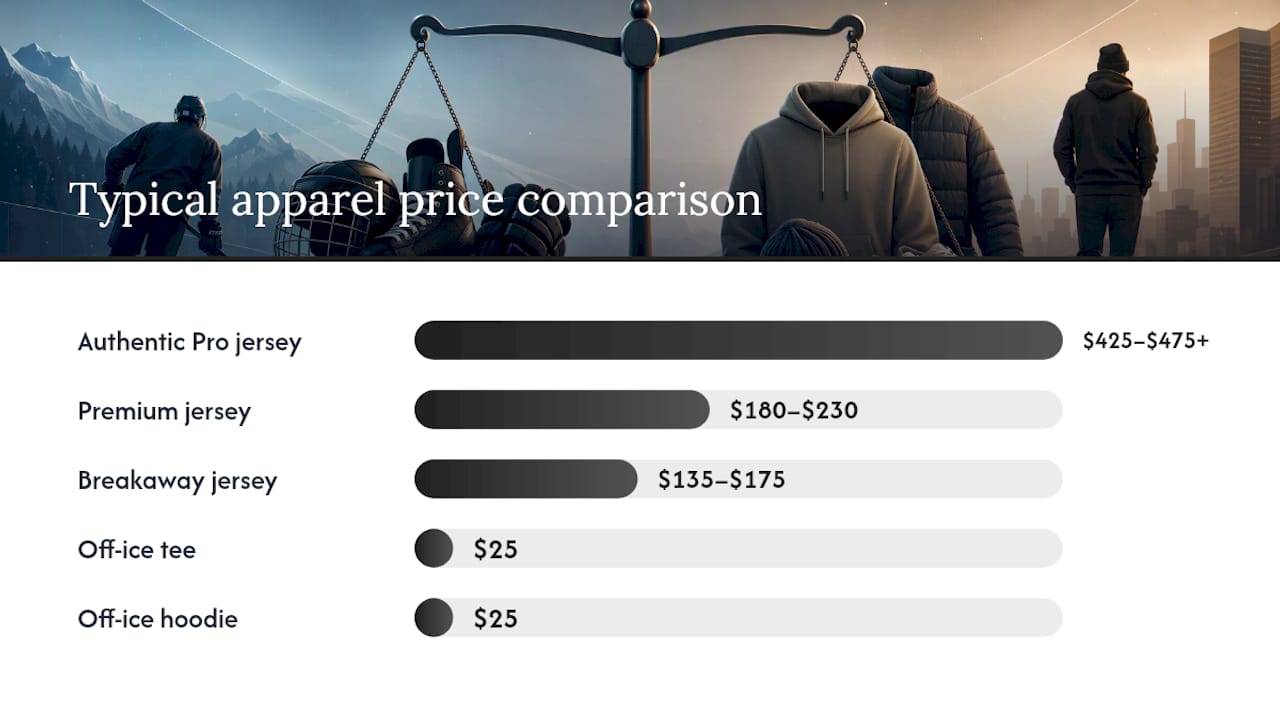
| Typical price range | Authentic Pro jersey $425–$475+, Premium $180–$230, Breakaway $135–$175; full kit varies widely | Tee $25; hoodie $25; full training set varies |
A few items blur the line. Training socks work on and off the ice. Warmup jackets sometimes stay on through puck drop in recreational leagues. When an item could go either way, let activity intensity and contact risk decide. If there is any chance of a fall, a board check, or a puck, wear the protective version. For pure movement work with no contact, the fitted technical option will serve you better.
The jersey tier pricing from Fanatics is roughly $425–$475+ for Authentic Pro, $180–$230 for Premium, and $135–$175 for Breakaway. Those brackets help set realistic budget expectations whether you are outfitting a player or a fan.
How do you choose the right fit and fabric?
Fit rules differ sharply between the two categories, and getting them wrong costs you either mobility or protection.
For on-ice jerseys, measure pit-to-pit (armpit to armpit across the chest) and sleeve length with your shoulder pads on. Most players need a jersey one to two sizes larger than their street shirt. A comprehensive sizing guide walks through exact measurements for both jerseys and training apparel.
For off-ice training gear, go fitted but not restrictive. You should be able to do a full lateral lunge without the fabric pulling across your hips. Compression pieces should feel firm, not cutting. Research published in the NSCA Journal of Strength & Conditioning supports the use of properly fitted compression apparel for training intensity and recovery when worn correctly — the key word being “properly fitted.”
Fabric priorities by category
On-ice:
- Abrasion resistance in shoulder and elbow zones
- Polyester mesh for ventilation under pads
- Reinforced seams at stress points (underarm, hem)
Off-ice:
- Moisture-wicking poly-spandex (at least 10–15% elastane for stretch)
- Flatlock seams to prevent skin irritation during floor work
- Mesh ventilation panels at the back and underarm
- Recycled polyester where available, without sacrificing performance
Layering for rink temperatures: Cold arenas average well below outdoor temperatures, especially near the ice surface. A base layer (compression tee or long-sleeve), a mid layer (training jacket or hoodie), and an outer travel layer covers every scenario from a summer dryland session to a January early-morning skate.
Pro Tip: Avoid 100% cotton for any layer you wear during activity. Cotton holds moisture against your skin, which feels cold and heavy fast in a rink environment. Save it for the post-game couch.
How do position and player age change the equation?
Goalies
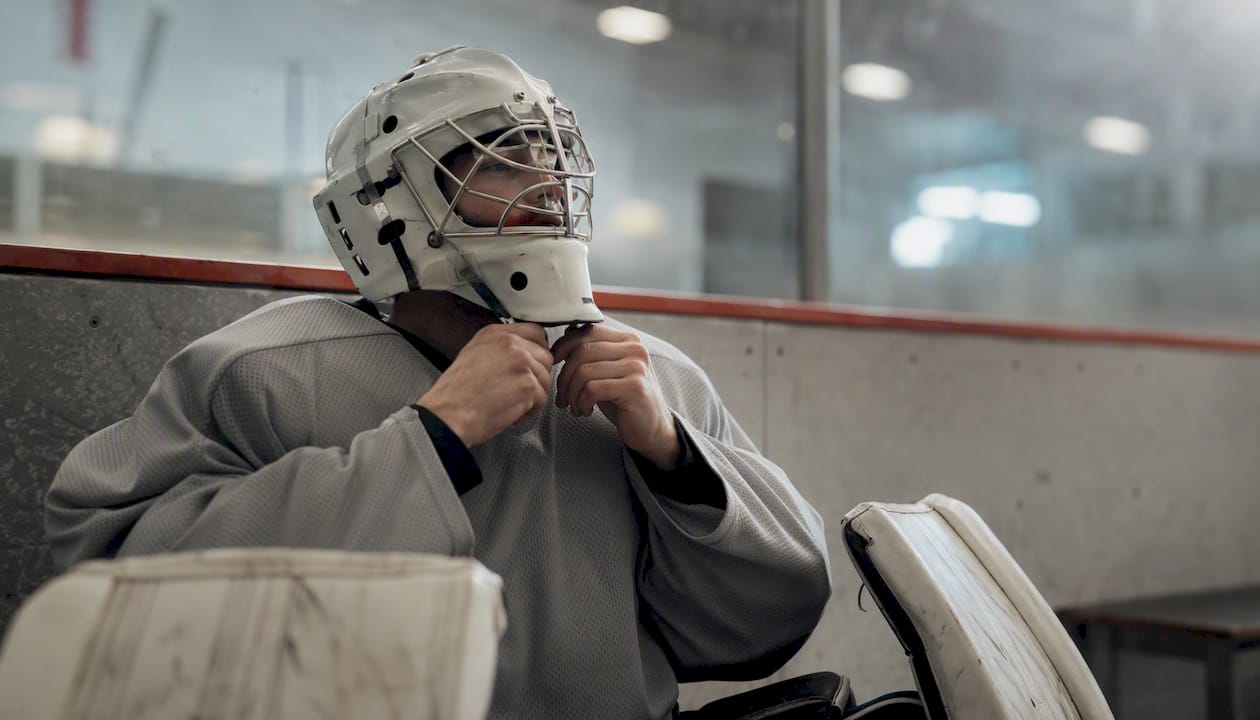
Goalie pads are significantly bulkier than skater pads, which changes jersey fit requirements dramatically. Goalies typically need a cut jersey (with side laces) or a size up from what the standard pad-fit chart suggests. They also stand still more than skaters, so a warmer base layer under the chest protector helps during long practices. Goalie gloves are built for blocking, not stick handling, so glove fit is less about dexterity and more about wrist protection and padding coverage.
Youth players
USA Hockey’s ADM guidelines outline age-appropriate training volumes that directly affect what young players need from their gear. For youth apparel, protective fit comes before style every time. Size for the pads, not the player’s street size. Build in a growth allowance of roughly one size for jerseys and training pieces you expect to last a full season. Youth-specific joggers and training apparel cut for smaller frames make a real difference in mobility during dryland sessions.
Adult and elite players
Adult players investing in higher-tier jerseys and technical off-ice gear get meaningful returns in durability and performance. Cross-training footwear matters more at this level because dryland sessions are longer and more intense. Lateral-support shoes designed for court sports tend to outperform running shoes for skating-specific dryland work.
How do you wash and store jerseys and technical fabrics?
Technical fabrics and game jerseys both degrade faster than most players expect when washed carelessly. A few consistent habits extend garment life significantly.
Washing rules:
- Cold water, gentle cycle for jerseys and compression pieces
- Turn jerseys inside out to protect numbers and logos
- Skip fabric softener entirely — it coats moisture-wicking fibers and kills their function
- Zip up all closures before washing to prevent snags
- Wash heavy gear (gloves, shin guard liners) separately from jerseys
Drying and storage:
- Air-dry jerseys flat or on a wide hanger; avoid wire hangers that distort shoulders
- High heat damages heat-pressed graphics, stretch fibers, and embroidered patches
- Store jerseys flat in a drawer or on a wide hanger, never folded over a thin rod
- Let all gear air out fully before storing in a bag — moisture breeds odor and degrades materials
Pro Tip: Sewn tackle-twill numbers and patches can catch on other items in the wash. Turn the jersey inside out and use a mesh laundry bag for extra protection. This one step alone extends the life of the lettering by seasons.
Authentic vs replica jerseys: which one do you actually need?
The NHL jersey manufacturing history spans decades of manufacturer changes, and the authentic vs replica distinction has never been cleaner than it is now. Fanatics became the NHL’s official outfitter and made true “Made in Canada” Authentic Pro jerseys available at retail for the first time in years.
Here is what separates the tiers:
- Authentic Pro: Made in Canada, player-spec construction, sewn embroidery, fight strap, reinforced high-friction zones, hologram neck shield. Built to take hits and last seasons of real play.
- Premium: Closer-to-authentic construction, sewn logos, better durability than Breakaway. Good for serious fans and recreational players who want quality without the top-tier price.
- Breakaway: Screen-printed or heat-pressed graphics, lighter materials, no fight strap. Comfortable for fan wear, travel, and casual use.
The construction differences between replica and authentic jerseys are visible up close: authentic versions use layered tackle twill, reinforced seams, and sewn embroidery; replica tiers use thinner patches and lighter materials that show wear faster under pad friction.
Buying guidance:
- Playing in the jersey regularly? Go Authentic Pro or Premium.
- Fan display, travel wear, or occasional use? Breakaway works fine.
- Gifting to a youth player who will grow out of it? Breakaway or Premium keeps the cost reasonable.
- Collector or someone who wants player-spec quality? Authentic Pro is the only real answer.
Key Takeaways
On-ice apparel requires protective, oversized construction built to work with pads; off-ice apparel demands fitted, moisture-wicking fabrics that support dryland movement and recovery.
| Point | Details |
|---|---|
| On-ice sizing logic | Size jerseys over shoulder pads; always measure pit-to-pit with pads on before ordering. |
| Off-ice fabric priority | Choose poly-spandex blends with flatlock seams and moisture-wicking properties for dryland and travel. |
| Jersey tier selection | Authentic Pro ($425–$475+) for play; Premium ($180–$230) for balanced durability and price; Breakaway ($135–$175) for fan wear and casual use. |
| Youth and goalie adjustments | Build in a growth allowance for youth; goalies need a cut jersey or a size up due to bulkier pads. |
| Rnkapparel for custom team gear | Rnkapparel offers custom hoodies, training tees, joggers, and accessories sized for hockey players across youth and adult programs. |
What most teams get wrong about apparel
The biggest mistake I see teams make is treating on-ice and off-ice apparel as the same purchase. They order a batch of jerseys, size them like street shirts, and wonder why half the team can barely lift their arms at warmup. The other common error is buying cheap training tees and calling it a dryland wardrobe. Cotton tees in a cold rink are not training gear.
What actually works is a two-track approach: invest in protective, properly sized on-ice gear and treat off-ice apparel as a separate performance category with its own fabric and fit standards. Custom team apparel, when ordered correctly, solves both the identity problem and the fit problem at once. A hoodie that fits a hockey player’s shoulder width, printed with the team logo, does more for team cohesion than any motivational speech.
The teams that get this right order their training pieces and travel sets together, use a measured sizing strategy (pit-to-pit, not guesswork), and build in a growth allowance for youth players. The teams that struggle buy the cheapest option in one size and spend the season dealing with returns and complaints.
If you are coaching or managing a team, the apparel decision is a systems decision, not a shopping trip.
Custom team apparel built for hockey players
Rnkapparel builds custom hockey apparel sized for players, not general consumers. The shoulder and chest cuts account for athletic builds, and every piece is available with team logos, player names, and numbers printed or applied to order.
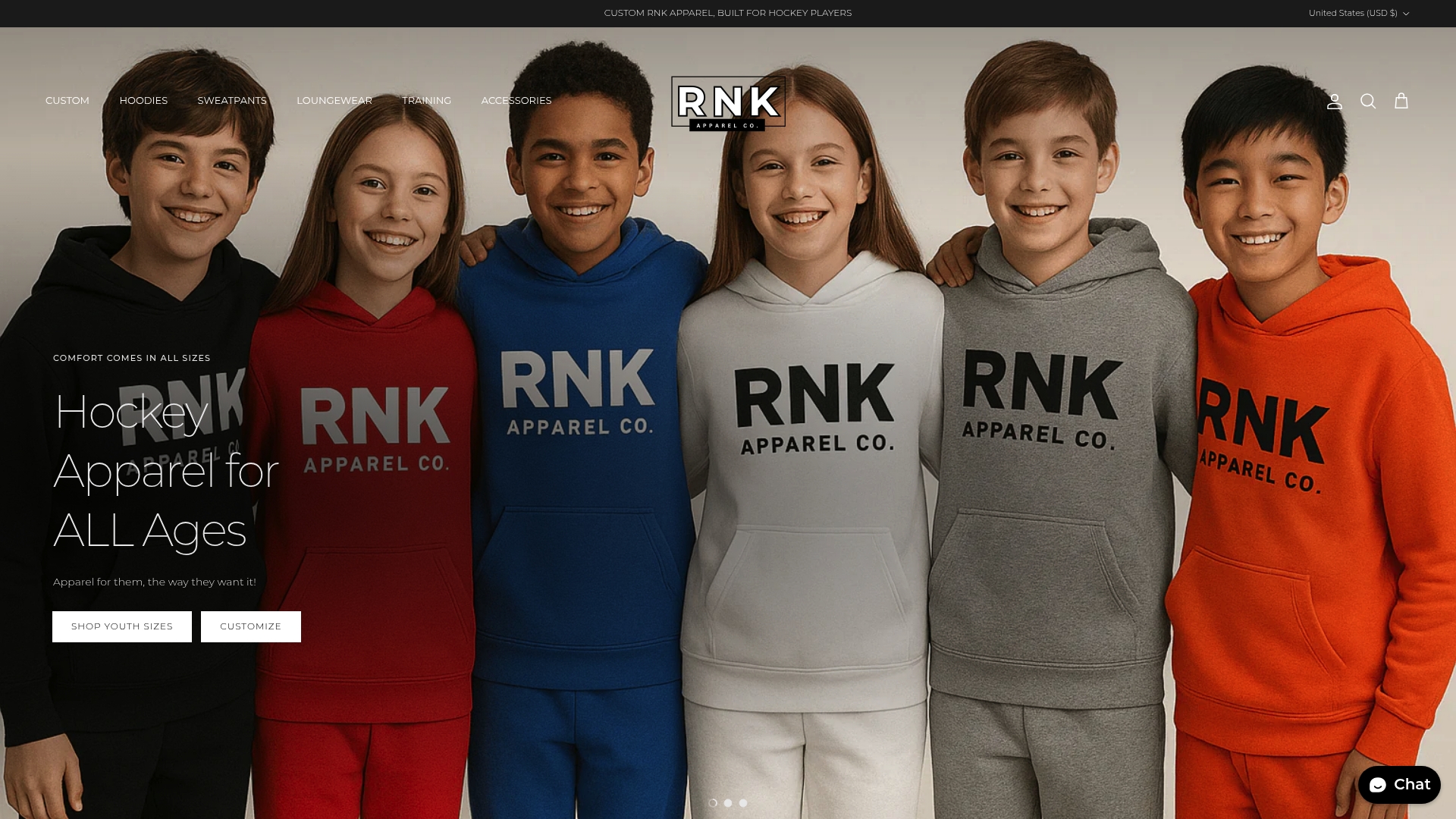
For training days, the performance workout collection covers moisture-wicking tees, compression pieces, and dryland-ready shorts. For travel and team identity, custom hockey hoodies and graphic tees ship to teams across the United States and Canada. Youth programs can order from dedicated youth training apparel sized for smaller frames with growth allowance built in. Bulk team orders include sizing support so you get the right fit across the roster the first time. Start your order at rnkapparel.com or upload your logo directly to begin customizing.
Useful sources
- NHL, Fanatics debut on-ice player uniforms for 2024-25 season
- The Perfect Dryland Hockey Training Wardrobe: How specialized ice hockey clothing enhances off-ice development
Recommended
- Build Your Off-Ice Hockey Wardrobe the Right Way – RNK Apparel Co.
- Off-Ice Hockey Training Apparel: The 2026 Buyer’s Guide – RNK Apparel Co.
- Hockey Goalie Lifestyle Apparel: The Ultimate Guide to Off-Ice Style a – RNK Apparel Co.
- Types of Hockey Training Apparel: 2026 Player’s Guide – RNK Apparel Co.
