

Hockey fan apparel is defined as supporter clothing worn to express team allegiance, enhance game-day experiences, and reflect personal style within the hockey community. The most popular types of hockey fan apparel include jerseys, hats, hoodies, graphic T-shirts, and accessories, each serving a distinct role in fan identity. Authentic merchandise carries official league licensing marks and holographic authentication tags. Fans who understand what to look for get more value, more durability, and a stronger connection to the game they love. This guide covers every major category so you can build a fan wardrobe that actually works.
1. Hockey jerseys: the iconic symbol of fan pride
The hockey jersey is the single most recognized piece of fan gear in the sport. Jerseys have evolved from heavy wool sweaters to lightweight polyester athletic knit, a shift that made them practical for both arena wear and everyday styling. Modern jerseys wick moisture and hold their shape through repeated washing, which matters when you wear yours to every home game.
Jersey types break down into three main categories:
- Home jerseys: Typically the team’s primary color, worn at home games
- Away jerseys: Usually white or a lighter alternate, worn on the road
- Alternate or third jerseys: Special designs released for select games, often the most collectible
The cultural weight of the jersey goes beyond fabric. Team colors like black project power and authority, while bright red raises energy and heart rate in fans who wear them. That psychological effect is real, and it explains why fans feel more locked in at a game when they are wearing their team’s colors.
Alternate jersey programs gained momentum in the 1990s, and the Reverse Retro concept revived vintage designs that connect fans to hockey history. Collecting alternate jerseys has become a serious hobby, with some fans owning one from every era of their team’s history.
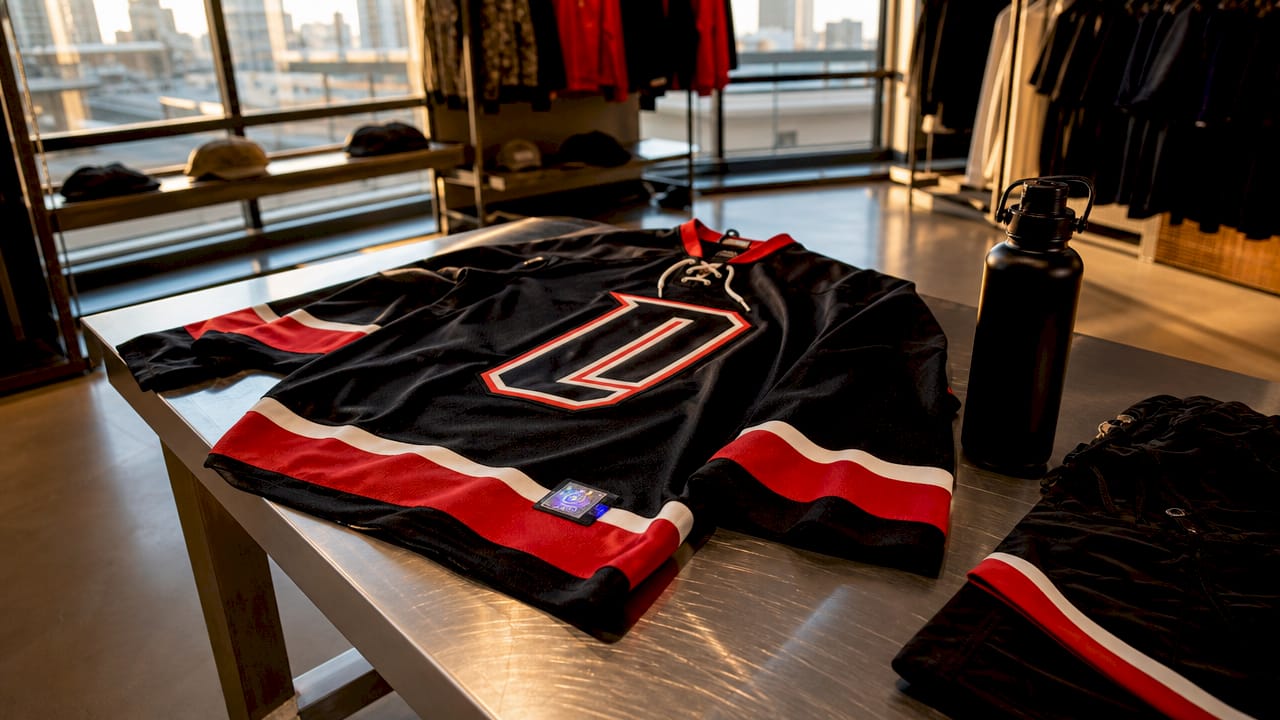
Authentication matters. Authentic jerseys carry proper stitching, high-quality materials, and holographic tags that counterfeit versions cannot replicate. Buying from licensed retailers is the safest way to avoid fakes.
Pro Tip: If you want a jersey that doubles as streetwear, choose an alternate design with a bold color. These tend to age well and attract more conversation than a standard home jersey.
2. Hockey hats and caps: styles that make a statement
Hockey fan hats are the most versatile piece of supporter clothing you can own. They work at the arena, at the bar, and on a casual Saturday. Fitted hats offer a precise, structured look; snapbacks use adjustable plastic straps for a one-size approach; knit beanies prioritize warmth for outdoor winter games and cold arenas.
The main types of hockey fan hat styles include:
- Fitted caps: Clean profile, no adjustable strap, sized for a tailored look
- Snapback caps: Flat brim or curved, adjustable, popular with younger fans
- Dad hats: Unstructured cotton caps with a curved brim, relaxed and casual
- Knit beanies: Wool or acrylic blend, essential for outdoor games and cold-weather wear
- Trucker hats: Mesh back panels for breathability, common at summer hockey events
Materials drive the feel and durability of each style. Wool and cotton blends hold embroidered logos cleanly without puckering. Synthetic fabrics resist moisture and hold color longer, which matters when a hat sees regular outdoor use.
Embroidered team logos outperform printed ones on hats. Embroidery holds up through washing and sun exposure where screen printing fades. If you are buying a hat to wear for years, embroidery is the standard to look for.
Customization has made hats a popular collectible category. Fans who customize team caps with player numbers or special event logos create pieces that carry personal meaning beyond standard retail options.
Pro Tip: For outdoor winter games, layer a fitted cap under a knit beanie. You get the team logo visible at the front while the beanie handles the cold.
3. Hockey hoodies and sweatshirts: comfort meets fan loyalty
The hockey hoodie is the workhorse of fan apparel. It handles cold arenas, post-game gatherings, and everyday wear without asking you to change outfits. Custom hockey hoodies blend performance fabrics with team branding, giving fans warmth and visual identity in one garment.
Popular hoodie designs for hockey fans include:
- Pullover hoodies: Classic silhouette, front kangaroo pocket, ideal for layering
- Zip-up hoodies: Easier to remove quickly, works well over jerseys at the arena
- Crewneck sweatshirts: No hood, cleaner look, often preferred for casual daily wear
- Oversized hoodies: Relaxed fit trend, popular for fan photos and social media
Fabric composition changes the feel significantly. A 60% cotton, 40% polyester blend delivers softness with shape retention. Heavier fleece-lined options add real warmth for outdoor rinks and winter tailgates. Fans who want a premium fleece hoodie with a modern fit get both comfort and durability from that construction.
Personalization is where hoodies separate themselves from jerseys. You can add a player name, a number, a team logo, or even a custom graphic that a standard retail jersey cannot offer. Rnkapparel lets fans upload logos and choose colors, which means the finished hoodie reflects the specific team or personal identity you want to represent.
Pro Tip: Order your fan hoodie one size up if you plan to layer it over a jersey at games. The extra room makes the combination comfortable without looking sloppy.
4. T-shirts, long sleeves, and casual wear for hockey fans
Graphic T-shirts are the entry point for most hockey fans. They cost less than jerseys, work in more settings, and communicate team loyalty without requiring a full game-day outfit. T-shirts featuring hockey slang and graphics are a direct way for fans to show personality alongside team allegiance.
Common casual fan apparel options include:
- Graphic tees: Screen-printed or direct-to-garment designs with team logos, player names, or hockey slang
- Long sleeve tees: Extend the season for outdoor wear, work as a base layer under hoodies
- Performance tees: Polyester or moisture-wicking blends, practical for fans who also train
- Vintage-style tees: Distressed prints and retro logos, popular with fans who collect era-specific gear
Printing technique affects longevity. Direct-to-garment printing produces detailed, full-color designs but can fade faster than screen printing on high-wash items. Screen printing holds up longer on simple, bold graphics. For custom hockey shirts with player names or numbers, screen printing on a quality cotton-polyester blend is the most durable combination.
Long sleeve tees fill a specific gap in the fan wardrobe. They work when a hoodie is too warm but a short sleeve leaves you cold in a climate-controlled arena. Hockey long sleeve tees also layer cleanly under zip-up hoodies, giving you flexibility as arena temperatures shift through the game.
5. Hockey accessories: completing the fan look
Hockey accessories are the finishing layer of any fan outfit. They signal community membership and team loyalty in ways that complement core apparel without repeating it. Accessories like scarves, socks, and gloves complete fan outfits and rank among the most popular collectibles and gift items in the hockey merchandise category.
The most common fan accessories include:
- Team scarves: Knit or woven, worn at games and displayed as collectibles
- Hockey socks: Team-colored crew socks or compression styles, worn under gear or as casual fan wear
- Gloves and mittens: Branded cold-weather gear for outdoor games and winter tailgates
- Lanyards and keychains: Low-cost items that show team loyalty in everyday life
- Face coverings and neck gaiters: Practical for cold outdoor rinks, often branded with team logos
Accessories carry strong gift value because they work across a wide range of sizes and budgets. A team scarf or a pair of branded socks requires no sizing precision, which makes them reliable choices for fans shopping for other fans. Collectible accessories tied to specific seasons or playoff runs also hold sentimental value that standard apparel does not.
The community function of accessories is real. When a section of fans all wear matching scarves or wave branded items during a power play, the visual effect creates a sense of shared identity that individual jerseys alone cannot produce.
Key takeaways
The most effective hockey fan wardrobe combines jerseys, hats, hoodies, T-shirts, and accessories, each chosen for authentic materials, proper licensing, and personal fit.
| Point | Details |
|---|---|
| Jerseys anchor fan identity | Choose home, away, or alternate styles based on occasion and always verify authentication tags. |
| Hat style determines function | Fitted caps suit structured looks; beanies handle cold weather; snapbacks offer everyday flexibility. |
| Hoodies are the most versatile piece | A fleece-lined, customized hoodie works at the arena, post-game, and in daily wear. |
| T-shirts and long sleeves fill the gaps | Screen-printed tees and long sleeves layer well and express fan personality at lower cost. |
| Accessories build community identity | Scarves, socks, and gloves complete the look and serve as practical gifts and collectibles. |
Why hockey apparel matters more than most fans realize
I have watched fan apparel evolve for years, and the shift that stands out most is not the fabric technology or the customization options. It is the way fans now treat their gear as a personal statement rather than a uniform.
Ten years ago, most fans bought a jersey and called it done. Now, the fans who feel most connected to their teams are the ones who build a full wardrobe around their allegiance. A fitted cap for the bar. A hoodie for the commute. A graphic tee for the weekend. Each piece reinforces the identity without requiring a game-day occasion.
The psychology of team colors is something I think gets underestimated. Wearing your team’s colors on a regular Tuesday changes how you carry yourself. It is a small thing, but it is consistent with what sports psychology research shows about identity and behavior.
My honest advice: do not buy the cheapest version of anything. A counterfeit jersey or a poorly printed tee does not hold up, and it does not feel the same. Spend a little more on authenticated gear with real embroidery and quality fabric. You will wear it more, and it will last longer. That is the better value every time.
— Eric
Custom hockey fan gear at Rnkapparel
Rnkapparel builds custom hockey apparel for fans, teams, and players across the United States and Canada. The catalog covers graphic hockey T-shirts, custom team hoodies, and team caps with full personalization options including logo uploads, player names, numbers, and color selection.
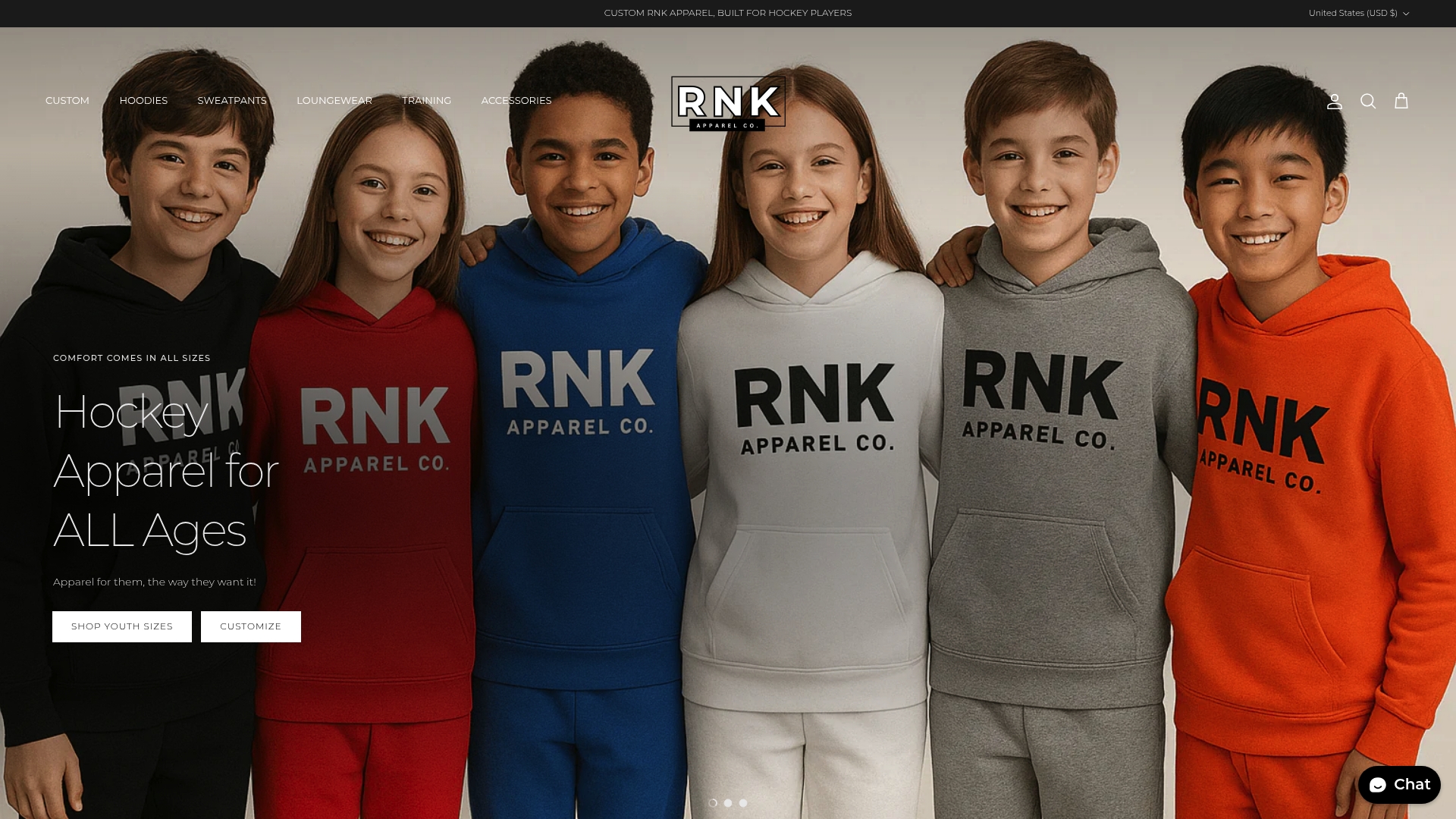
Every product is built for real wear, not just game day. Whether you want a single personalized piece or a full team order, Rnkapparel handles both with the same attention to fabric quality and fit. Visit rnkapparel.com to build your custom fan gear today.
FAQ
What are the main types of hockey fan apparel?
The main types are jerseys, hats, hoodies, graphic T-shirts, long sleeves, and accessories like scarves and socks. Each serves a different function in expressing team loyalty and staying comfortable at games.
How do I spot authentic hockey merchandise?
Authentic hockey apparel carries proper stitching, high-quality materials, and holographic authentication tags. Buying from licensed retailers is the most reliable way to avoid counterfeit products.
What hat styles do hockey fans wear most?
Fitted caps, snapbacks, dad hats, and knit beanies are the most common types of hockey fan hat styles. Beanies work best for cold outdoor games, while fitted caps suit everyday wear.
Can I customize a hockey hoodie with my team’s logo?
Yes. Platforms like Rnkapparel let fans upload team logos, add player names and numbers, and select colors when they customize a fan hockey hoodie. Custom orders work for both individual fans and full teams.
Are graphic T-shirts a good choice for hockey fans?
Graphic T-shirts are one of the most practical fan gear options because they work in casual settings, cost less than jerseys, and express team identity through hockey-specific graphics and slang.
