

Hockey slang printed apparel is clothing that displays insider hockey terminology, from “Biscuit” and “Bar Down” to “Chirp” and “Selly,” as a form of cultural identity and team expression. These hockey slang clothing examples go far beyond novelty. They signal belonging, humor, and deep knowledge of the game. The best designs work because they speak directly to players, coaches, and fans who already know the language. Tees, hoodies, hats, and accessories all serve as canvases for this kind of printed sports slang gear, and the market for it keeps growing.
1. Top hockey slang terms found on printed apparel
The most effective hockey terminology shirts start with the right words. Popular slang terms printed on hoodies, tees, and caps include “Biscuit,” “Top Cheese,” “Selly,” “Chirp,” and “Bar Down.” Each one carries a specific meaning that resonates with anyone who has played or watched the game seriously.
Here is what each term means and why it works on apparel:
- Biscuit — The puck. Simple, universal, and immediately recognizable. Phrases like “No biscuit gets past him” appear in memes and fan culture, making it one of the most printed words in hockey apparel.
- Top Cheese — A shot that hits the top of the net or crossbar. It signals skill and precision. Apparel using this term appeals to players who know exactly what it feels like to score that way.
- Bar Down — When the puck hits the crossbar and drops into the net. A “Bar Down” tee is a badge of honor for any forward.
- Chirp — Trash talk directed at opponents. Apparel using “Chirp” often leans into humor, making it a favorite for locker room culture and team gifts.
- Selly — A goal celebration, short for “selling” the moment. It shows up on tees and hoodies as a celebration of scoring culture.
- Deke — A move to fake out a defender or goalie. “Deke Life” and similar phrases appear on youth and adult apparel alike.
- Celly — Another term for a goal celebration, often used interchangeably with Selly. Apparel using “Celly” tends to be upbeat and fan-facing.
These terms carry emotional weight. They are not just words. They are shared experiences compressed into a single phrase that every hockey person immediately understands.
2. Hockey slang apparel designs and styles: real examples
The best hockey apparel designs use slang as the visual anchor, then build the layout, font, and color around it. Licensed slang-based designs like “Put Some Stank On It” and “Bish Please” show how humor and insider knowledge combine into apparel that fans actually want to wear. These collections typically price between $30 and $80 depending on material and licensing.
Here are the most effective design formats you will find across hockey slang clothing examples:
- Graphic tees with bold single-word prints — A large “BISCUIT” or “CHIRP” centered on the chest, often in block letters. Clean, direct, and instantly readable from across a locker room.
- Hoodies with back-panel slang phrases — Phrases like “Bar Down or Nothing” printed across the back in arc lettering. The hoodie format gives more real estate for longer expressions.
- Hats with embroidered slang — Structured caps with “Top Cheese” or “Selly” stitched on the front panel. Embroidery holds up better than print on headwear and adds a premium feel.
- Funny hockey apparel with puns and caricatures — Designs like “Puck Norris” or “I Like My Mask and Maybe Three People” use visual humor alongside slang. These resonate with fans who want to show cultural understanding, not just team loyalty.
- Accessories with slang accents — Beanies, socks, and bags with small slang word prints or patches. These work as add-ons to a full slang-themed outfit.
Design elements matter as much as the words themselves. Effective apparel avoids cluttered fonts and keeps placement purposeful. A clean front number paired with a slang phrase on the back creates a professional look that does not feel like a novelty item.
Pro Tip: Pick one slang term per garment and let it breathe. Two or three competing phrases on the same shirt dilute the impact and make the design feel busy.
3. How hockey slang influences apparel design trends in 2026
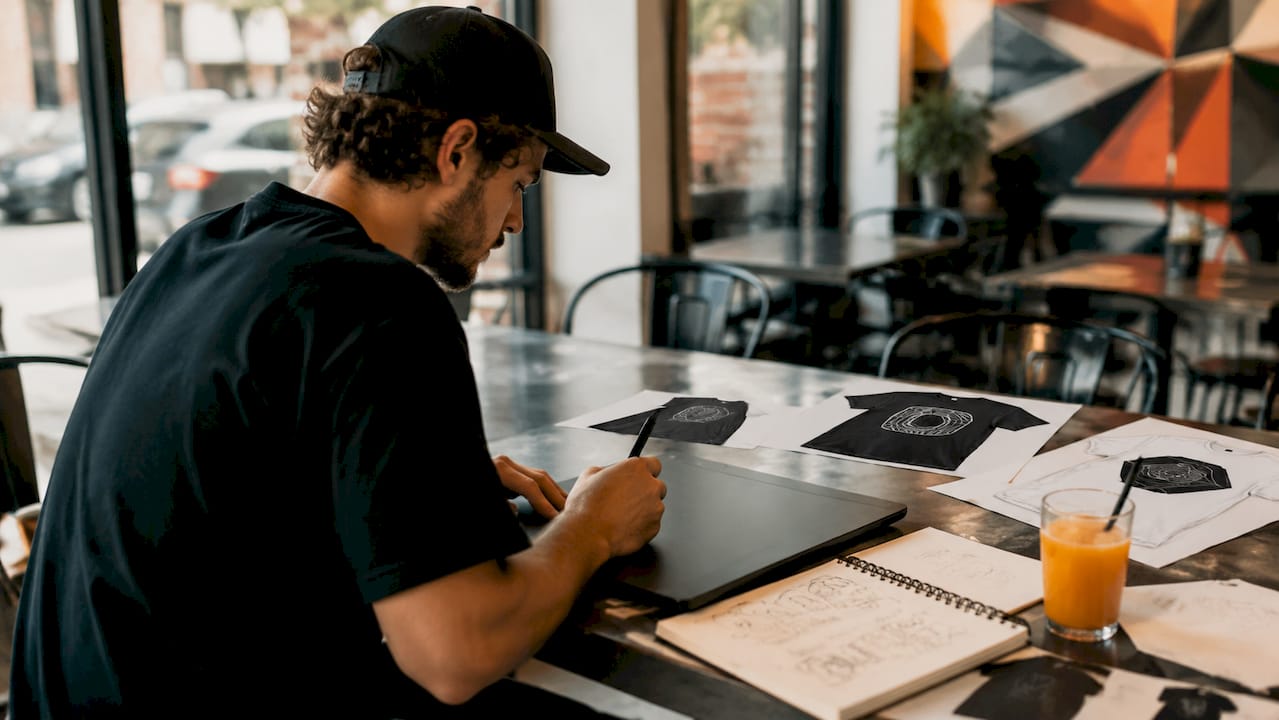
Hockey slang apparel is evolving into lifestyle streetwear, moving well beyond the rink. Designers in 2026 are building what the industry calls “soundtrack-driven” collections, where color palettes and typography reflect player archetypes rather than just team colors. Muted ice blues signal defenders. Black and red combinations represent the antagonist role. The slang printed on each piece reinforces that character identity.
The “A” symbol from hockey jerseys is one clear example of this shift. The alternate captain patch is being recontextualized in streetwear to represent hustle, leadership, and grind culture beyond the sport itself. Fans wear it as a lifestyle icon, not just a hockey reference.
“The best slang apparel does not explain itself. It rewards the people who already know, and makes everyone else want to find out.”
Meme culture is also shaping how hockey slang appears on apparel. Designs referencing viral moments or recent game events gain immediate traction but require careful timing. Timeliness matters, and so does sensitivity. A phrase that lands perfectly one week can feel dated or tone-deaf the next. The most durable designs anchor themselves in timeless slang rather than specific events.
Official licensed collections from established brands sit at one end of the spectrum. Grassroots and custom hockey shirts sit at the other. Both have a place, and the best fans and players own pieces from each category.
4. Comparing popular hockey slang apparel options
Choosing the right slang apparel comes down to four factors: garment type, print method, humor style, and whether the design is licensed or custom. Each combination produces a different result.
| Apparel Type | Best Slang Style | Print Method | Price Range |
|---|---|---|---|
| Graphic tee | Single bold term (Biscuit, Chirp) | Screen print | $20–$40 |
| Hoodie | Phrase or motto (Bar Down or Nothing) | Screen print or DTG | $40–$80 |
| Hat | Short term (Top Cheese, Selly) | Embroidery | $25–$50 |
| Accessory (beanie, socks) | Short slang accent | Embroidery or patch | $15–$30 |
| Long sleeve tee | Multi-line slang phrase | DTG or screen print | $30–$55 |
Screen printing is the preferred method for vibrancy and longevity on word-heavy designs. DTG printing allows finer detail but fades faster with repeated washing. Heat transfers are the least durable option and show wear quickly on apparel worn during training or games.
Licensed apparel typically runs $30–$80, as seen in curated collections featuring phrases like “Put Some Stank On It.” Custom designs through platforms like Rnkapparel give you control over the exact slang, layout, and color without paying a licensing premium. Custom options also let you add player names, numbers, or team logos alongside the slang phrase.
Pro Tip: If you want a design that works for both die-hard players and casual fans, choose a slang term that is funny on the surface but specific enough to reward insiders. “Bar Down” does this perfectly. Everyone can read it. Only hockey people feel it.
The hockey traditions influencing merchandise in 2026 show that the most popular slang apparel balances humor with authenticity. Designs that lean too far into generic sports humor lose the insider appeal. Designs that go too deep into niche terminology lose the casual fan. The sweet spot is a term that any hockey person knows but that still sounds interesting to someone outside the sport.
Key takeaways
Hockey slang printed apparel works best when it pairs the right term with the right garment, print method, and design approach to create something players and fans genuinely want to wear.
| Point | Details |
|---|---|
| Slang term selection | Choose terms like Biscuit, Bar Down, or Chirp that are widely known and emotionally resonant. |
| Design clarity | One slang term per garment with clean typography outperforms cluttered multi-phrase layouts. |
| Print method matters | Screen printing delivers the best durability and color vibrancy for word-heavy slang designs. |
| Licensed vs. custom | Licensed pieces range $30–$80; custom options give full control over slang, layout, and branding. |
| Cultural fit | Designs anchored in timeless slang outlast those tied to specific viral moments or events. |
Why slang apparel is the most honest thing in a hockey bag
I have been around hockey culture long enough to know that the sport has its own language, and that language is not taught. It is absorbed. You hear “Bar Down” called out in a parking lot after a game and you either know exactly what happened or you do not. That gap is what makes slang apparel so effective. It is a filter. It tells you instantly who is in the room.
What I have noticed in 2026 is that the best slang apparel is not trying to be funny. It is trying to be accurate. “Chirp” on a hoodie is not a joke. It is a statement of identity. The players and coaches I see wearing this gear are not doing it for laughs. They are doing it because the word means something to them.
The design trend toward character archetypes and color-coded storytelling is genuinely interesting. It moves slang apparel out of the novelty category and into something closer to fashion. That shift is good for the sport and good for the people who wear it.
My practical advice: do not overthink the slang selection. Pick the term that made you laugh the hardest or the one that defined a moment in your season. Print it clean, print it big, and let it do the work.
— Eric
Get your hockey slang apparel from Rnkapparel
Rnkapparel builds custom hockey apparel for players, coaches, and fans across the United States and Canada. The collections cover everything from graphic tees and custom hockey hoodies to hats and accessories, all designed for the hockey community specifically.
Every piece is customizable. You can upload your team logo, add player names and numbers, and choose the slang phrase that fits your crew. Materials are built for comfort on and off the ice, and the print quality holds up through a full season of wear. Browse the full range of hockey slang graphic tees and start building apparel that actually means something to your team.
FAQ
What are the most popular hockey slang terms on apparel?
The most printed terms are Biscuit, Bar Down, Top Cheese, Chirp, and Selly. These appear on tees, hoodies, and hats because they are widely recognized across all levels of hockey culture.
What is the best print method for hockey slang apparel?
Screen printing is the top choice for durability and color vibrancy on word-heavy designs. DTG printing works for detailed graphics but fades faster with regular washing.
How much does hockey slang apparel cost?
Licensed slang apparel typically ranges from $30 to $80 depending on the garment and licensing. Custom options from platforms like Rnkapparel can offer more flexibility on price and design.
Can I customize hockey slang apparel with my own phrase?
Yes. Custom hockey apparel platforms let you choose your own slang term, add player names and numbers, and upload team logos alongside the printed phrase.
What makes a hockey slang design stand out?
Clean typography, a single focused slang term, and a purposeful layout produce the strongest results. Cluttered designs with multiple phrases lose visual impact and feel less authentic.
