

Performance polyester is defined as a synthetic textile engineered specifically to wick moisture away from skin, maintain full tensile strength when wet, and resist abrasion through thousands of cycles of athletic use. Unlike standard commodity polyester, the performance variant uses micro-denier fiber construction and capillary channel engineering to deliver measurable advantages on the ice, field, or court. Athletes and coaches researching what is performance polyester will find the answer lives in the fiber architecture itself, not just the fabric label. The industry standard term for this category is “engineered performance polyester,” and it is tested against benchmarks like AATCC 195 moisture management and Martindale abrasion protocols.
What is performance polyester and how does it differ from basic polyester?
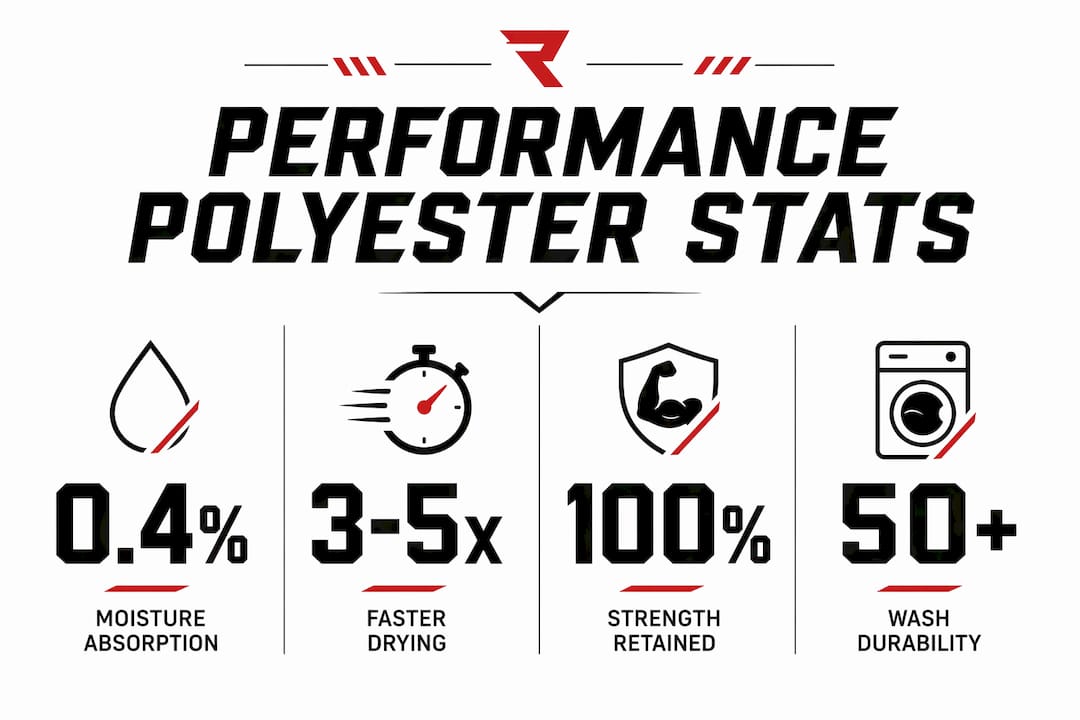
Performance polyester is a moisture-absorbing synthetic fabric with an absorption rate of roughly 0.4%, compared to 7–8% for cotton. That gap is the entire reason athletes prefer it. Cotton soaks up sweat and stays wet. Performance polyester moves moisture to the fabric surface, where it evaporates fast, keeping you drier and lighter during sustained effort.
The key distinction between commodity polyester and engineered performance polyester is fiber construction. Basic polyester uses round, smooth filaments that repel water but do nothing to transport it. Engineered performance polyester uses shaped filaments with built-in capillary channels, grooves along the fiber surface that pull moisture through the fabric by capillary action. This is a structural property, not a spray-on treatment.
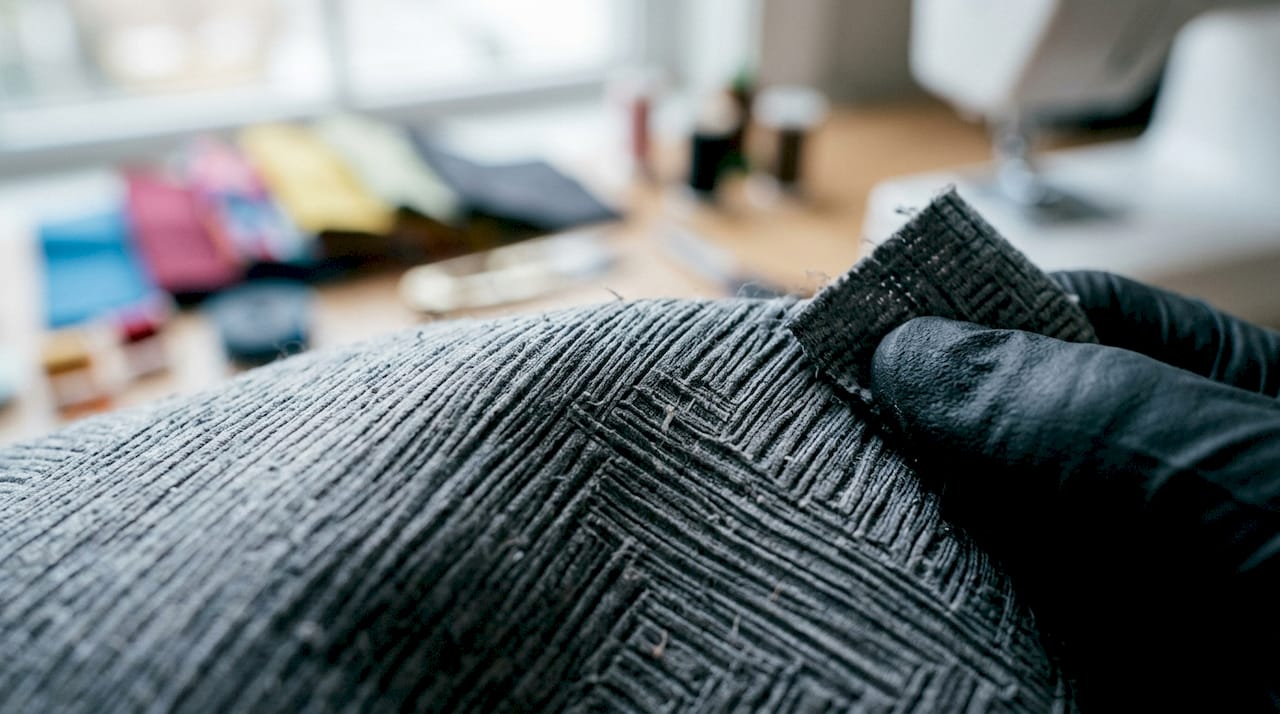
AATCC 195 is the textile industry’s standard test for moisture management. Under this protocol, performance polyester wicks moisture in under 5 seconds, while cotton takes 20–40 seconds. That difference matters in a hockey game or a hard training session where sweat accumulates fast and a wet jersey adds weight and chafing.
How does moisture wicking actually work in performance polyester?
The moisture transport mechanism in performance polyester relies on two properties working together: hydrophobic fiber chemistry and engineered capillary geometry.
The fiber itself repels water at the molecular level. That sounds counterproductive, but it is the key. Because the fiber does not absorb water, moisture stays on the surface and moves through the fabric structure rather than soaking into the filament. The capillary channels between fibers create a pressure gradient that pulls sweat from the skin side of the fabric to the outer surface, where airflow evaporates it.
Here is what separates high-quality performance polyester from cheap activewear:
- Structural wicking is built into the fiber shape and survives 50+ wash cycles without degrading.
- Chemical wicking finishes are topical treatments applied after weaving. They wash out within 20–30 launderings and leave you with a fabric that no longer performs.
- Micro-denier fibers (0.5–1.5 denier per filament) increase the surface area available for moisture transport, making wicking noticeably faster.
- Filament count determines how many individual fibers are packed into each yarn. Higher counts mean more capillary channels and faster moisture movement.
Pro Tip: When buying performance apparel, ask whether the moisture management is structural or finish-based. If the brand cannot answer that question, assume it is a finish and plan for performance to drop after repeated washing.
Performance polyester dries 3–5 times faster than cotton. That speed advantage is not just comfort. It reduces the weight athletes carry during a game and lowers the risk of chafing and skin irritation from prolonged wet fabric contact.
Is performance polyester durable enough for high-impact sports?
Performance polyester is one of the most durable textile options available for athletic use. Martindale abrasion testing shows polyester fabrics exceeding 20,000–40,000 cycles before showing surface wear. That number represents real-world punishment: sliding on ice, contact with equipment, repeated washing, and years of training use.
The table below compares key durability properties between performance polyester and cotton:
| Property | Performance polyester | Cotton |
|---|---|---|
| Moisture absorption | ~0.4% | 7–8% |
| Tensile strength when wet | 100% retained | Reduced significantly |
| Martindale abrasion resistance | 20,000–40,000 cycles | 5,000–10,000 cycles |
| Color retention after 50+ washes | High | Moderate to low |
| Shape retention | Excellent | Prone to stretching |
Performance polyester retains 100% of its tensile strength when wet. Cotton loses meaningful strength when saturated, which is why cotton jerseys bag out and distort over a season. Polyester holds its shape through the same conditions.
Color fading is another area where performance polyester outperforms natural fibers. The dye bonds directly with the polymer structure during manufacturing, producing colorfastness through many washes that cotton cannot match. For teams with custom graphics and player numbers, that matters every time a jersey goes through the laundry.
How fabric engineering defines true performance polyester
The label “polyester” covers a wide range of textiles, from cheap grocery bags to elite athletic fabric. What separates them is engineering at the fiber level.
Denier per filament (dpf) is the most important specification to understand. Denier measures the weight of a single fiber. Lower denier means finer fibers. Micro-denier polyester at 0.5–1.5 dpf wicks moisture 40–60% faster than standard polyester and feels noticeably softer against skin. Standard commodity polyester typically runs 3–5 dpf, which explains the plasticky feel many athletes associate with cheap activewear.
High filament count yarns pack more individual fibers into each strand. More fibers mean more capillary channels, more surface area for evaporation, and a softer hand feel. This is why two garments labeled “100% polyester” can feel completely different.
Key engineering factors that define performance polyester:
- Fiber denier: 0.5–1.5 dpf for true performance; 3+ dpf for commodity grades
- Filament count: Higher counts improve moisture transport and softness
- Capillary channel geometry: Shaped cross-sections (trilobal, star, or channel profiles) drive wicking speed
- Elastane content: Spandex blends at 8–25% deliver four-way stretch and compression fit for athletic movement
- Antimicrobial treatments: Silver ion or zinc-based finishes control odor-causing bacteria that accumulate in synthetic fabrics
Pro Tip: Check the fabric specification tag for denier information. If it is not listed, contact the manufacturer. A brand confident in its fabric will provide this data without hesitation.
Structural moisture management, built into the fiber shape, persists through 50+ industrial wash cycles. Chemical finishes do not. Paying attention to this distinction protects your investment in quality athletic gear.
Performance polyester uses and benefits for athletes
Performance polyester appears across the full range of athletic apparel because its properties solve real problems athletes face during sustained activity.
- Jerseys and game-day shirts. The fabric stays light and dry through a full game. Cotton jerseys can gain noticeable weight from sweat absorption by the second period of a hockey game.
- Training gear and base layers. Quick-drying fabric reduces the discomfort of back-to-back training sessions. A performance long sleeve shirt made from micro-denier polyester keeps athletes comfortable through warm-ups and conditioning work.
- Performance shorts. Lightweight construction and moisture transport make polyester the standard for athletic shorts used in dryland training and gym work.
- UV protection. Tightly woven performance polyester provides meaningful UV resistance, which matters for outdoor training and summer tournaments.
- Shape retention. Polyester holds its cut and fit through repeated washing. Teams that invest in custom-printed gear want that print to stay sharp for a full season.
The one genuine limitation of performance polyester is odor. The same hydrophobic surface that moves moisture efficiently also traps odor-causing bacteria in the fiber structure. Without antimicrobial treatment, a polyester jersey can develop persistent odor that washing alone does not fully remove. Silver ion and zinc-based antimicrobial finishes address this directly. Athletes should prioritize gear that specifies antimicrobial treatment, not just moisture management.
Dry, synthetic-feeling performance polyester actually delivers more comfort than wet, heavy cotton during sustained high-intensity activity. The stable microclimate it creates at the skin surface reduces fatigue and distraction, letting athletes focus on performance rather than their gear.
Key takeaways
Performance polyester is the superior choice for athletic apparel because its structural fiber engineering delivers moisture management, durability, and shape retention that natural fibers cannot match at any wash count.
| Point | Details |
|---|---|
| Structural wicking outlasts finishes | Capillary channel fibers wick moisture through 50+ washes; chemical finishes wash out. |
| Micro-denier matters | Fibers at 0.5–1.5 dpf wick 40–60% faster and feel softer than commodity polyester. |
| Durability is measurable | Martindale abrasion resistance exceeds 20,000–40,000 cycles, far beyond cotton’s range. |
| Elastane is required for sport | Spandex blends at 8–25% provide the four-way stretch athletes need for full motion. |
| Antimicrobial treatment is non-negotiable | Without it, odor accumulates in the hydrophobic fiber structure despite effective wicking. |
What coaches and athletes get wrong about performance polyester
Athletes and coaches often treat “polyester” as a single category. It is not. I have seen teams invest in custom jerseys labeled “100% polyester” and end up with stiff, plasticky fabric that wicks poorly and smells after three wears. The label tells you almost nothing. The fiber specification tells you everything.
The market is full of garments that claim moisture management but deliver it through a chemical finish applied after weaving. That finish works for a few months, then disappears. Structural wicking, built into the fiber cross-section, is what you actually want. Ask for the denier per filament and whether the moisture management is structural or finish-based before committing to a bulk order for your team.
Odor control is the most overlooked specification in performance apparel purchasing. I have watched athletes rotate through jerseys mid-season because the fabric held odor that laundering could not fix. An antimicrobial treatment is not a luxury feature. For any garment worn through intense activity, it is a baseline requirement.
The athletes and coaches who get the most out of performance polyester are the ones who read the spec sheet, not just the marketing copy. Filament count, denier, stretch percentage, and antimicrobial treatment are the four numbers that determine whether a garment performs or just looks like it should.
— Eric
Rnkapparel’s performance polyester gear for hockey athletes
Rnkapparel builds its athletic apparel around the same fabric engineering principles covered in this article: structural moisture management, micro-denier construction, and antimicrobial treatment for real-world use.
The hockey graphic T-shirt collection uses 100% performance polyester designed to stay dry and light through full games and training sessions. For athletes who train hard off the ice, the workout performance collection offers shorts and tops built for dryland conditioning. Every piece is customizable with team logos, player names, and numbers. Rnkapparel serves youth and adult teams across the United States and Canada, with gear built to hold up through a full season of use.
FAQ
What is performance polyester made of?
Performance polyester is made from polyethylene terephthalate (PET) polymer fibers, engineered with shaped cross-sections and capillary channels to move moisture away from skin. The fiber construction, not chemical treatment, drives its moisture management properties.
How does performance polyester compare to cotton for sports?
Performance polyester absorbs only about 0.4% moisture versus 7–8% for cotton, dries 3–5 times faster, and retains 100% tensile strength when wet. Cotton loses strength and gains weight when saturated, making it a poor choice for sustained athletic activity.
Does performance polyester lose its wicking ability after washing?
Structurally wicked performance polyester maintains its moisture management through 50+ industrial wash cycles. Garments relying on chemical wicking finishes will degrade significantly within 20–30 washes.
Why does performance polyester sometimes smell bad?
The hydrophobic fiber surface that enables wicking also traps odor-causing bacteria in the fabric structure. Antimicrobial treatments using silver ion or zinc-based chemistry prevent bacterial buildup and control odor effectively.
What stretch percentage should performance polyester have for hockey?
Spandex or elastane blends at 8–25% of total fabric weight provide the four-way stretch and compression recovery needed for the full range of motion in hockey and other high-intensity sports.
Recommended
- Adult Performance Long Sleeve T-Shirt - performance long sleeve t-shirt polyester | 100% Polyester, Unisex – RNK Apparel Co.
- Men’s Performance Shorts - men’s performance shorts polyester fabric – RNK Apparel Co.
- Youth Performance Shorts - youth performance shorts polyester moisture management | Comfortable Activewear – RNK Apparel Co.
- Adult Performance Long Sleeve T-Shirt - adult performance long sleeve t-shirt | Durable and comfortable fabric – RNK Apparel Co.
