

Hockey merchandise is defined by the rituals, regional pride, and cultural identity that fans carry into every season. Understanding how hockey traditions influence merchandise explains why a playoff hoodie sells out in hours while a generic team shirt sits on the shelf. The connection between fan culture and product design is not accidental. Teams, brands, and designers actively mine hockey’s deepest traditions to build apparel that fans feel compelled to own. The ice hockey apparel market sits at approximately $1.8 billion in 2026, and tradition-driven design is one of the clearest forces behind that number.
How hockey traditions influence merchandise sales and design
Fan rituals are the single most reliable driver of merchandise spikes in hockey. The playoff beard is the clearest example. When a team advances deep into the postseason, fans grow beards in solidarity with their players, and demand for playoff-specific apparel follows the same trajectory. Porter Martone’s jersey sales rose 1,714% in a single week during the playoffs, a figure that reflects how quickly tradition converts into purchasing behavior. That kind of surge does not happen because the jersey changed. It happens because the moment carries cultural weight.
Hat trick celebrations are another tradition that shapes merchandise demand. When a player scores three goals, fans throw hats onto the ice. This ritual, unique to hockey culture, has generated its own merchandise category. Branded hats designed specifically for hat trick moments, team-logo caps sold near arenas, and limited-run accessories tied to individual players all trace back to this single tradition. The ritual preserves the connection between fan participation and product ownership.
Print-on-demand technology has made tradition-based merchandise faster and more precise than ever before. When Jack Hughes won gold at the Olympics, merchandise demand jumped over 3,000% almost immediately, with print-on-demand fulfillment delivering orders within 7 to 10 business days. That speed matters because fan excitement has a short half-life. Brands that can respond to a tradition-defining moment within days capture sales that slower operations miss entirely.
- Playoff gear sells in concentrated bursts tied to team advancement
- Hat trick merchandise connects a live ritual to a wearable product
- Player milestone apparel requires rapid production to capture peak demand
- Seasonal traditions like outdoor games generate limited-edition design opportunities
Pro Tip: If you want to time a custom jersey or personalized fan shirt purchase for maximum meaning, order during the first week of playoffs. Production windows are shorter, and the emotional connection to the product is at its peak.
What role does local culture play in jersey design?
The most memorable jerseys in recent hockey history are not the cleanest or the simplest. They are the ones that tell a story only a local fan fully understands. The Tampa Bay Lightning’s 2026 Stadium Series jerseys are the clearest current example. The design incorporates themes from the Gasparilla pirate festival, a Tampa tradition dating back to 1904. More specifically, designers embedded hidden pirate beads into the jersey’s graphic elements as Easter Eggs that reward attentive fans. That detail does not show up in a product description. It shows up in fan forums, social media posts, and word-of-mouth conversations that drive organic demand.
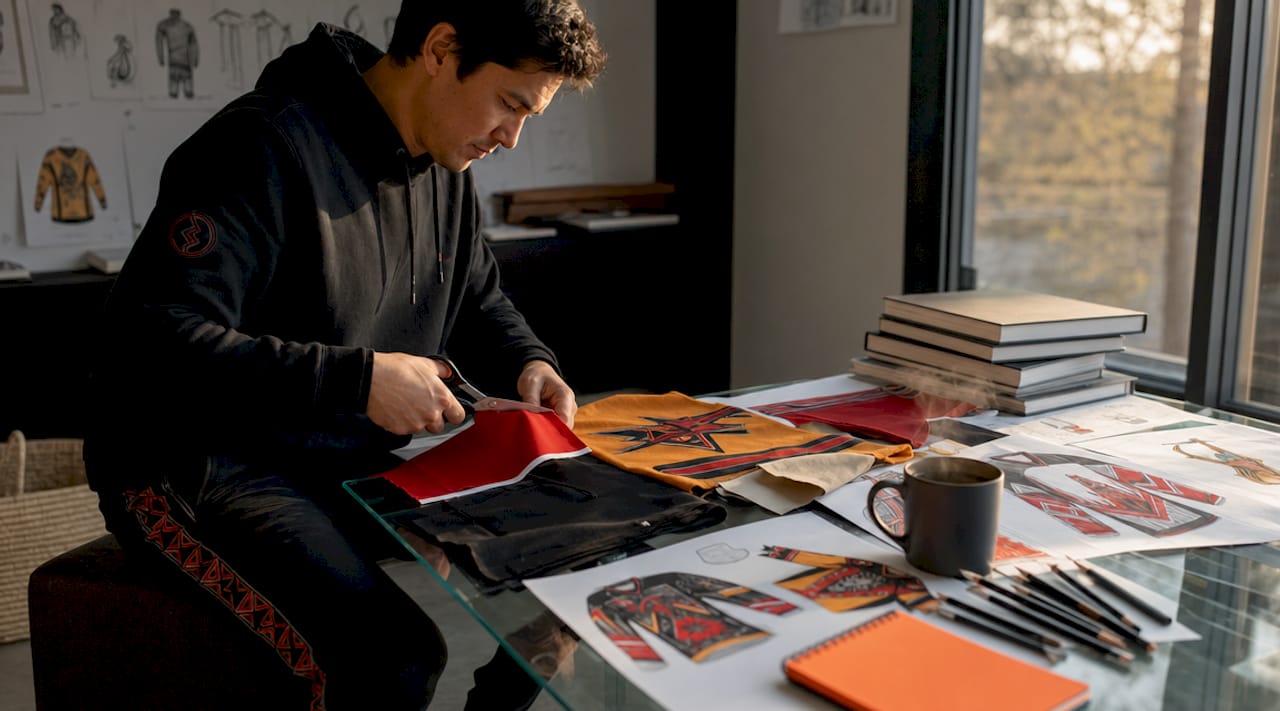
The Boston Bruins’ counterpart jersey in the same Stadium Series event took a different approach, drawing from the team’s 1920s visual history to connect the present roster to a century of Boston hockey identity. Both approaches confirm the same principle: fans buy jerseys that reflect who they are, not just which team they support.
| Design approach | Example | Fan impact |
|---|---|---|
| Local festival reference | Tampa Bay Lightning Gasparilla pirate beads | Creates insider knowledge and community pride |
| Historical homage | Boston Bruins 1920s-inspired design | Connects current fans to franchise legacy |
| Hidden Easter Eggs | Embedded symbols in Stadium Series jerseys | Rewards loyal fans and drives social sharing |
| Cultural collaboration | PWHL x The Tragically Hip merchandise line | Bridges generational fan bases through shared cultural history |
The PWHL’s collaboration with The Tragically Hip is worth examining separately. The partnership connected hockey to Canadian music history, producing a merchandise line that appealed to fans who might not follow the PWHL closely but have a deep emotional connection to the band. That is tradition-based merchandising operating at its most sophisticated. The product becomes a cultural artifact, not just a shirt.
Pro Tip: When evaluating a jersey purchase, look up the design brief or any team press release about the jersey’s inspiration. Hidden design elements are almost always documented somewhere, and knowing the story makes the product worth significantly more to you personally.
How has hockey apparel crossed over into streetwear?
Hockey jerseys became streetwear through a specific set of design decisions made in the 1990s, not through gradual cultural drift. The NHL’s introduction of the third jersey program, combined with sublimation printing and cartoon-style logos, produced apparel that looked nothing like traditional sportswear. The San Jose Sharks sold $150 million in merchandise in their first season, largely because their teal-and-black color scheme and aggressive shark logo felt genuinely new. That commercial success proved that bold design sold beyond the arena.
By 2026, hockey jerseys occupy a recognized position in the “hockey-core” streetwear aesthetic. The oversized fit and graphic-heavy construction of hockey jerseys make them more adaptable to urban fashion than basketball or football equivalents. The aggressive lettering, the mesh panels, and the shoulder yoke design all translate well to casual wear in ways that a baseball jersey or a football jersey simply do not.
Here is how the streetwear crossover developed in sequence:
- The 1990s third jersey program introduced designs with no obligation to look traditional, freeing designers to experiment with color and graphics.
- Hip-hop culture adopted hockey jerseys as oversized statement pieces, exposing the apparel to audiences with no direct connection to the sport.
- Fashion brands began referencing hockey aesthetics in runway collections, legitimizing the jersey as a design object rather than just team gear.
- Social media accelerated the “hockey-core” trend by making vintage and limited-edition jerseys highly visible and desirable.
- Teams responded by mimicking fashion industry patterns with more frequent uniform updates, treating each new design as a product launch rather than a uniform change.
The practical result for fans is that buying a hockey jersey today carries a different set of considerations than it did 20 years ago. You are not just choosing a team. You are choosing an aesthetic, a cultural reference point, and in many cases a piece of design history.
How do player achievements shape fan merchandise demand?
Player milestones create the sharpest and most measurable spikes in hockey merchandise trends. The mechanism is straightforward: a player does something historically significant, fan attention concentrates on that player, and demand for that player’s name and number surges across every product category. Post-Olympics, player-related merchandise demand can exceed 3,000% above baseline within days of a gold medal win. That is not a gradual trend. It is a demand event.
Social media amplifies these spikes in ways that traditional broadcast media never could. When a fan posts a celebration video wearing a specific player’s jersey, that image reaches thousands of other fans within hours. The personalized fan shirt has become the primary vehicle for this kind of fan expression because it allows immediate customization with a player’s name and number without waiting for official licensed products to restock.
- Olympic and World Championship wins produce the largest single-event merchandise spikes
- Playoff performance drives sustained demand over a 6 to 8 week window
- Individual milestones like 100-point seasons or franchise records generate collector-grade demand
- Print-on-demand platforms enable fans to act on demand within 24 hours of a milestone
The economics here favor brands that invest in flexible production. A team that locks into a fixed merchandise catalog misses the window entirely. Brands that offer custom hockey gear with player name and number options capture the demand that rigid licensed merchandise cannot serve fast enough.
Key takeaways
Hockey traditions shape merchandise through ritual, regional identity, and player achievement, making every purchase a cultural statement as much as a commercial transaction.
| Point | Details |
|---|---|
| Rituals drive sales spikes | Playoff beards and hat trick traditions create concentrated, predictable merchandise demand windows. |
| Local culture deepens loyalty | Jersey designs referencing local festivals and history generate stronger fan attachment than generic branding. |
| Streetwear crossover expanded the market | 1990s design shifts turned hockey jerseys into lifestyle apparel worn far beyond the arena. |
| Player milestones trigger demand events | Post-Olympics and playoff surges can exceed 3,000% above baseline, requiring rapid production response. |
| Personalization captures peak demand | Custom name-and-number options allow fans to act immediately when emotional connection is highest. |
Why tradition is the most underrated force in hockey merchandise
I have spent years watching brands chase trends in hockey merchandise, and the ones that consistently outperform are not the ones with the biggest marketing budgets. They are the ones that understand what a specific fan community actually cares about. The Tampa Bay Lightning did not put pirate beads in their Stadium Series jersey because a focus group told them to. They did it because someone on the design team understood that Tampa fans have a genuine emotional relationship with Gasparilla. That kind of specificity cannot be manufactured.
What I find most interesting about the current moment in hockey merchandise is that the gap between tradition and innovation has nearly closed. The brands doing the most interesting work are treating heritage as raw material for new design, not as a constraint. The PWHL x The Tragically Hip collaboration is a perfect example of this. It did not feel like a licensing deal. It felt like two cultural institutions recognizing a shared audience and building something that honored both.
My honest prediction is that the next major shift in hockey merchandise will come from fan communities themselves, not from teams or brands. Social media has already given fans the tools to identify what they want before brands know to offer it. The brands that build flexible, fan-responsive production systems will capture that demand. The ones that wait for a trend to be obvious will always be one cycle behind.
The traditions are not going anywhere. If anything, they are getting more specific, more local, and more emotionally loaded. That is good news for anyone who makes or sells hockey merchandise, and it is great news for fans who want products that actually mean something.
— Eric
Gear that honors the game you love
Hockey traditions deserve merchandise that keeps up with them. Rnkapparel builds custom hockey t-shirts and apparel designed specifically for fans and teams who want more than a generic logo on a blank garment. Every product is customizable with your team name, player number, and colors, so your gear reflects the identity your community has built over years of games, rituals, and shared history.
From custom hockey hoodies built for cold rink nights to team hats that travel with you everywhere, Rnkapparel covers every part of the fan wardrobe. Whether you are outfitting a full team or ordering a single personalized piece to mark a milestone season, the process is straightforward and the quality holds up. Explore the full collection and build something worth wearing.
FAQ
How do hockey traditions influence merchandise demand?
Hockey traditions like playoff beards, hat trick celebrations, and outdoor game rituals create predictable spikes in merchandise demand tied to specific moments in the season. Brands that align product releases with these traditions consistently outperform those with static catalogs.
Why do hockey jerseys sell well as streetwear?
Hockey jerseys cross over into streetwear because of their oversized fit and bold graphics, which adapt more naturally to casual urban fashion than most other sports apparel. The 1990s design era, which introduced cartoon logos and sublimation printing, established the aesthetic foundation that streetwear culture later adopted.
What makes a limited-edition hockey jersey more valuable to fans?
Limited-edition jerseys that reference local culture, historical milestones, or hidden design elements generate stronger fan attachment because they carry meaning beyond team affiliation. The Tampa Bay Lightning’s Gasparilla-themed Stadium Series jersey is a current example of this approach working at the highest level.
How fast can merchandise respond to a player milestone?
Print-on-demand technology delivers custom merchandise within 7 to 10 business days of an order, which means fans can act on a milestone within days of it happening. This speed is why personalized name-and-number products now compete directly with officially licensed merchandise during peak demand windows.
Do cultural collaborations in hockey merchandise actually work?
Yes. The PWHL x The Tragically Hip collaboration demonstrates that cultural partnerships drive broad fan engagement by connecting hockey to audiences who share the cultural reference but may not follow the sport closely. These collaborations work best when the cultural connection is genuine rather than purely commercial.
