

Youth sweatshirts are defined as the primary bench wear choice for young athletes because they insulate muscles, manage moisture, and survive the punishment of a full sports season. When a player steps off the ice or field and sits on the bench, muscle temperature drops fast. That drop creates stiffness and raises injury risk the moment they re-enter play. A well-constructed sweatshirt solves all three problems at once: it traps heat, pulls sweat away from the skin, and holds its shape through dozens of wash cycles. Understanding why youth sweatshirts are used as bench wear helps parents and athletes make smarter gear decisions from day one.
Why youth sweatshirts are the go-to bench wear for young athletes
Muscles cool down faster than most parents realize. The moment a youth athlete stops moving and sits on the bench, their core body temperature begins to fall. Sweatshirts act as thermal layers that trap heat and allow temperature to return to normal slowly after activity. This matters because a muscle that cools too quickly loses elasticity, and a stiff muscle is far more likely to pull or strain when the athlete is called back into action.
The thermal benefit is not just about comfort. It is about keeping the body physically ready. Think of a sweatshirt as a controlled environment for your muscles. It slows the rate of heat loss without overheating, which is exactly what the body needs during those unpredictable bursts of bench time that define youth sports.
Beyond warmth, the best bench wear for kids also handles the moisture problem. Athletes sweat during warm-ups and active play, then sit still while still damp. Without a moisture-managing layer, that wet skin against cold air creates a chill that compounds the cooling effect. A quality youth sweatshirt addresses both issues simultaneously.
Here is what the right bench wear sweatshirt does for a young athlete:
- Slows muscle temperature drop during rest periods
- Pulls sweat away from the skin to prevent chills
- Provides a physical and mental signal that the body is still in “game mode”
- Layers easily over compression gear or a jersey without restricting movement
- Transitions smoothly from warm-up to bench to post-game cool-down
How do moisture-wicking fabrics improve youth bench wear?
Fabric technology is what separates a useful bench wear sweatshirt from one that just looks the part. Under Armour’s warm-up jacket lists moisture wicking, fast drying, and warmth retention as its three core benefits, and that combination is not accidental. It reflects exactly what youth athletes need when they cycle between high-intensity play and seated rest.
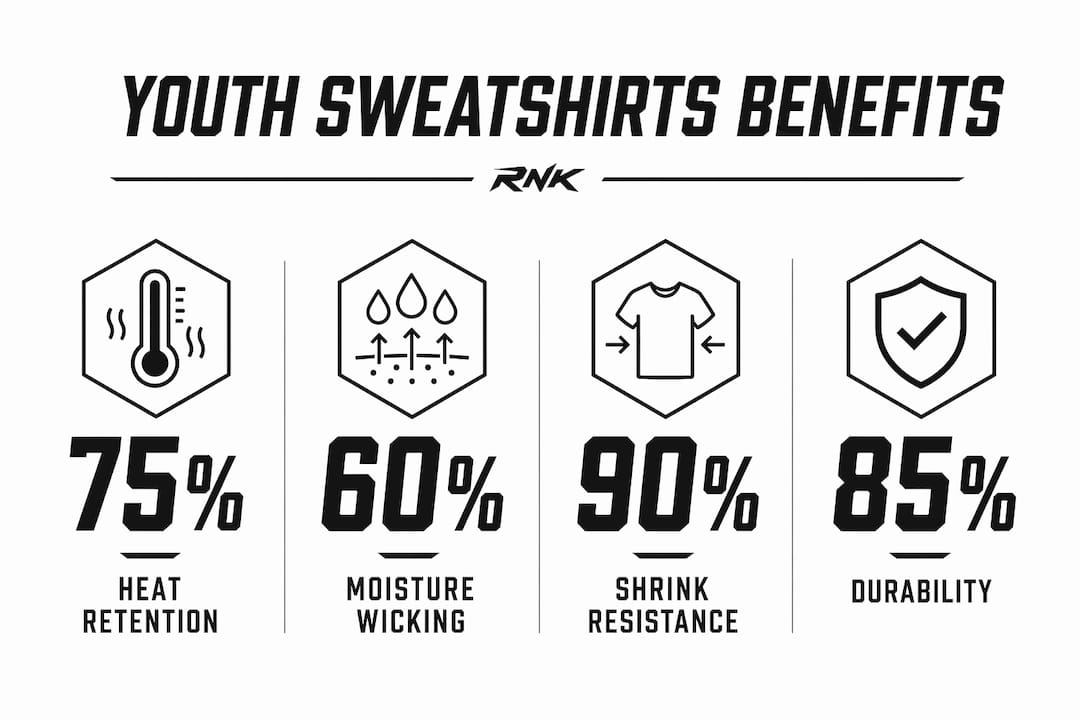
Moisture-wicking fabrics pull sweat from the skin surface and push it toward the outer layer of the fabric where it evaporates. Fast-drying construction means the garment does not stay wet and heavy after a hard shift. Together, these properties prevent the uncomfortable, clammy feeling that makes athletes want to strip off their gear on the bench, which is the worst thing they can do for muscle temperature.
Performance fabrics that integrate warmth and moisture control keep youth athletes comfortable and focused during fluctuating activity levels. That focus matters more than most coaches and parents acknowledge. A distracted, uncomfortable athlete is not mentally ready to perform.
Here is how to evaluate sweatshirt fabric quality for bench wear:
- Check for polyester or polyester-blend construction, which wicks and dries faster than pure cotton
- Look for a brushed or fleece interior that traps warm air close to the body
- Confirm the fabric weight is medium rather than heavy, which balances warmth with breathability
- Test the stretch in the fabric. Youth athletes need freedom of movement even in a resting layer
- Verify the garment is machine washable and rated for repeated laundering without pilling
Pro Tip: Avoid 100% cotton sweatshirts as bench wear for active sports. Cotton absorbs sweat and holds it, which turns a warm layer into a cold, wet one within minutes of sitting down.
Why does construction quality matter for youth sports sweatshirts?
Durability is the most underrated factor in youth bench wear, and it is where many parents make expensive mistakes. A sweatshirt that fits perfectly in September may be a misshapen, shrunken mess by December if the construction cannot handle weekly washing. Youth sports gear gets washed constantly, and the fabric construction determines whether the garment survives the season.
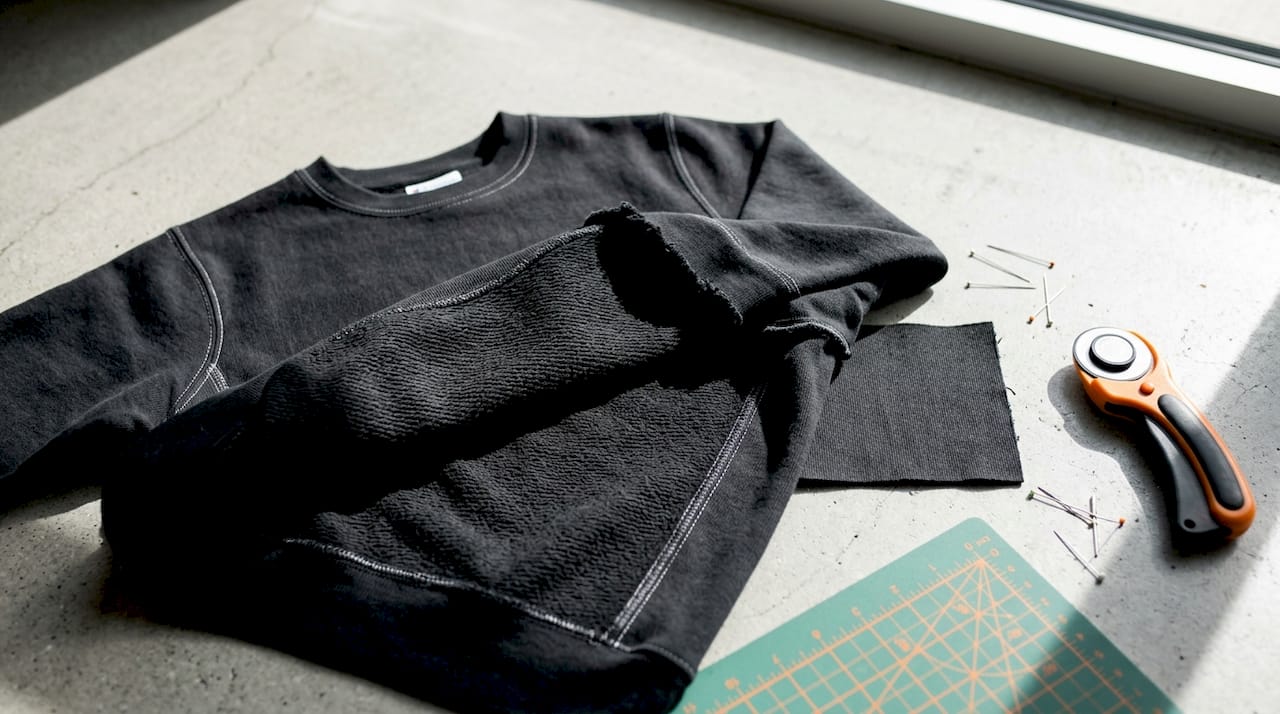
Champion’s reverse-weave construction was certified in 1950 by the American Institute of Laundering specifically for shape retention through repeated washing. That certification is significant because it was the first formal acknowledgment that sweatshirt construction directly affects athletic performance by maintaining fit. A sweatshirt that shrinks or stretches out of shape loses its ability to layer properly and creates the exact movement restrictions that bench wear is supposed to prevent.
The reverse-weave design runs the grain of the fleece horizontally rather than vertically. This prevents lengthwise shrinkage that causes standard sweatshirts to ride up and tighten across the chest after washing. For youth athletes who are also growing, a sweatshirt that maintains its original dimensions is not a luxury. It is a practical necessity.
| Construction type | Shrinkage resistance | Wash durability | Best use case |
|---|---|---|---|
| Reverse-weave fleece | High | Excellent | Season-long bench wear |
| Standard cotton fleece | Low | Fair | Casual, occasional use |
| Polyester performance knit | Medium | Very good | Warm-up and active layers |
| French terry blend | Medium | Good | Light bench wear, mild conditions |
Pro Tip: When buying youth sweatshirts for team use, check the care label for shrinkage ratings. Garments labeled “pre-shrunk” or using reverse-weave construction will hold their size and shape far longer than standard fleece.
What sweatshirt styles work best as bench wear for kids?
Not all youth sweatshirt styles perform equally as bench wear. The two most common options are the hoodie and the crewneck, and each serves a slightly different function on the bench.
The hoodie adds a layer of head and neck coverage that is genuinely useful in cold arenas or outdoor fields. The hood traps additional heat around the neck and ears, which are areas where the body loses warmth quickly. Many youth hockey players and soccer athletes prefer hoodies specifically because they can pull the hood up between shifts without removing the garment. Youth hockey hoodies designed for bench wear typically feature a kangaroo pocket that keeps hands warm without requiring gloves.
The crewneck offers a cleaner profile under a jersey or over compression gear. It sits closer to the body, which makes layering more precise and reduces bulk. Athletes who find hoods distracting or who play in moderate temperatures often prefer the crewneck for its simplicity and slightly more athletic fit.
The key fit criteria for any bench wear sweatshirt are consistent regardless of style. Oversized sweatshirts lose layering effectiveness and create discomfort on the bench because excess fabric bunches under equipment and restricts movement when the athlete stands up quickly. The right fit is athletic: close enough to trap heat efficiently, loose enough to layer over a base layer without pulling.
For parents comparing options, the decision comes down to three factors: the sport and its environment, the temperature conditions of the venue, and whether the athlete needs to wear the sweatshirt under or over other gear. Youth training apparel designed for hockey and similar sports accounts for all three by offering athletic cuts with performance fabric and practical features like pockets and durable cuffs.
Practical tips for using sweatshirts as bench wear effectively
Knowing when to put on and take off a bench wear sweatshirt is as important as choosing the right one. The timing matters because the goal is to maintain muscle temperature, not to overheat.
The right approach follows a simple pattern:
- Put the sweatshirt on immediately after the warm-up ends and before sitting on the bench
- Keep it on throughout the bench period, even if the arena feels warm
- Remove it during the final two minutes before re-entering play to allow the body to begin adjusting
- After the game or practice, put it back on during cool-down to prevent rapid temperature drop
Layering strategy also depends on conditions. In cold arenas or outdoor winter sports, a compression base layer under the sweatshirt creates a two-layer thermal system that is significantly more effective than the sweatshirt alone. In warmer conditions, a moisture-wicking t-shirt under the sweatshirt handles sweat while the outer layer provides just enough insulation.
Pro Tip: Label every youth sweatshirt with the athlete’s name and number before the season starts. Bench wear gets mixed up constantly in team settings, and a labeled garment saves parents from replacing gear that was simply misplaced.
For care, wash bench wear sweatshirts in cold water and air dry when possible. High heat in the dryer is the primary cause of shrinkage and fabric breakdown in youth sports gear, even in garments built for durability. Turning the sweatshirt inside out before washing also protects any printed graphics or team logos from fading.
Key takeaways
Youth sweatshirts function as effective bench wear because they maintain muscle temperature, manage moisture, and hold their shape through a full season of use.
| Point | Details |
|---|---|
| Thermal protection | Sweatshirts slow muscle cooling on the bench, reducing stiffness and injury risk during re-entry. |
| Moisture management | Performance fabrics wick sweat and dry fast, preventing the chill that follows active play. |
| Construction durability | Reverse-weave and polyester-blend construction survives repeated washing without losing fit. |
| Style and fit | Athletic-cut hoodies and crewnecks layer effectively over base layers without restricting movement. |
| Timing matters | Putting on and removing the sweatshirt at the right moments maximizes its thermal benefit. |
What I’ve learned coaching parents through youth gear decisions
I have watched parents spend significant money on flashy athletic gear while overlooking the one item that actually protects their child’s performance on the bench. The sweatshirt is not glamorous. It does not show up in highlight reels. But it is the piece of gear that keeps a young athlete physically and mentally ready during the stretches of inactivity that define youth sports.
The psychological dimension is real and often ignored. Athletes who wear hoodies during warm-up and breaks report improved focus and a stronger sense of privacy and preparation. That “training armor” effect is not superstition. It is a documented pattern in sports psychology, and team psychological safety research confirms that athletes perform better when they feel physically comfortable and mentally contained in their environment.
What I tell every parent is this: buy one great sweatshirt built for athletic use before buying any other optional gear. Get the fit right, get the fabric right, and get the construction right. A reverse-weave or performance-knit sweatshirt in the correct athletic cut will outlast three cheap alternatives and actually do the job it is supposed to do. The savings in replacement costs alone justify the investment, and the performance benefit is not something you can put a price on when your kid is the one who stays sharp in the third period.
— Eric
Get your athlete the right bench wear from Rnkapparel

Rnkapparel builds youth sweatshirts and hoodies specifically for the demands of hockey and competitive youth sports. Every garment in the youth hockey hoodie collection is designed with athletic-cut fits, performance-grade fabrics, and durable construction that holds up through a full season of washing and wear. You can customize each piece with team logos, player names, and numbers so your athlete shows up to the bench looking and feeling like part of a real team. Whether you need a single hoodie or a full team order, Rnkapparel delivers quality bench wear built for the way young athletes actually play.
FAQ
Why do youth athletes wear sweatshirts on the bench?
Youth athletes wear sweatshirts on the bench to maintain muscle temperature during rest periods, which reduces stiffness and lowers injury risk when they re-enter play. Sweatshirts trap heat and slow the cooling process that occurs when the body transitions from active play to sitting still.
What fabric is best for youth bench wear sweatshirts?
Polyester-blend and performance-knit fabrics are best because they combine moisture wicking, fast drying, and warmth retention in a single garment. Pure cotton absorbs sweat and holds it, which creates a chill effect that defeats the purpose of bench wear.
How often should youth bench wear sweatshirts be washed?
Bench wear sweatshirts should be washed after every use to prevent odor and bacteria buildup. Wash in cold water and air dry to preserve fabric integrity and prevent shrinkage, especially in reverse-weave or fleece-lined garments.
Does sweatshirt fit affect performance on the bench?
Yes. Oversized sweatshirts reduce layering effectiveness and create bulk that restricts movement when athletes stand up quickly. An athletic-cut fit that layers cleanly over a base layer is the standard for functional bench wear.
Are hoodies or crewnecks better for youth bench wear?
Hoodies provide additional neck and head coverage, which is useful in cold arenas. Crewnecks offer a cleaner profile for layering under jerseys or over compression gear. The right choice depends on the sport, the venue temperature, and the athlete’s personal preference.
Recommended
- Youth Training Hockey Apparel | Performance Wear for Young Players – RNK Apparel Co.
- Youth Hockey Joggers | Kids Hockey Training Wear – RNK Apparel Co.
- RNK Youth Heavy Blend Hooded Sweatshirt - youth heavy blend hooded sweatshirt | durable warmth, comfy fit, made to order – RNK Apparel Co.
- Youth Hockey Hoodies | Custom & Affordable Kids Hockey Apparel – RNK Apparel Co.
